Viral video shows Thar hitting motorcyclists near Mumbai; police launch hunt for driver | Mumbai News

Viral video shows Thar hitting motorcyclists near Mumbai; police launch hunt for driver

MUMBAI: Police have registered an FIR against the unidentified driver of a Mahindra Thar Roxx after a video allegedly showed the SUV hitting multiple motorcycles and fleeing the scene in Mira Road.The CCTV footage, which has gone viral on social media, show a Haryana-registered vehicle trying to force its way through a narrow gap next to a motorcycle. As it moves ahead, the SUV allegedly knocks down a bike carrying two people, sending both riders crashing onto the road.The driver does not stop after the collision and is seen driving away. Seconds later, the Thar allegedly hits another two-wheeler before speeding off.The clip was shared on X by user who alleged that the incident took place near Kashigaon Metro Station and involved at least two motorcycles.After the video surfaced online, police confirmed that a case had been registered against the unidentified driver.“In connection with a video circulated on social media, an FIR No. 0334/2026 has been registered at Kashigaon Police Station against the unidentified driver of vehicle No. HR 98 X 5101 Mahindra Thar under Section 281 of the Bharatiya Nyaya Sanhita, 2023, as well as Sections 184 and 187 of the Motor Vehicles Act, 1988, and the offense has been recorded.”Police said the investigation is underway and efforts are being made to identify and trace the driver.

Mumbai’s rain has entered uncharted territory. The data tells a worrying story | Mumbai News

Mumbai's rain has entered uncharted territory. The data tells a worrying story
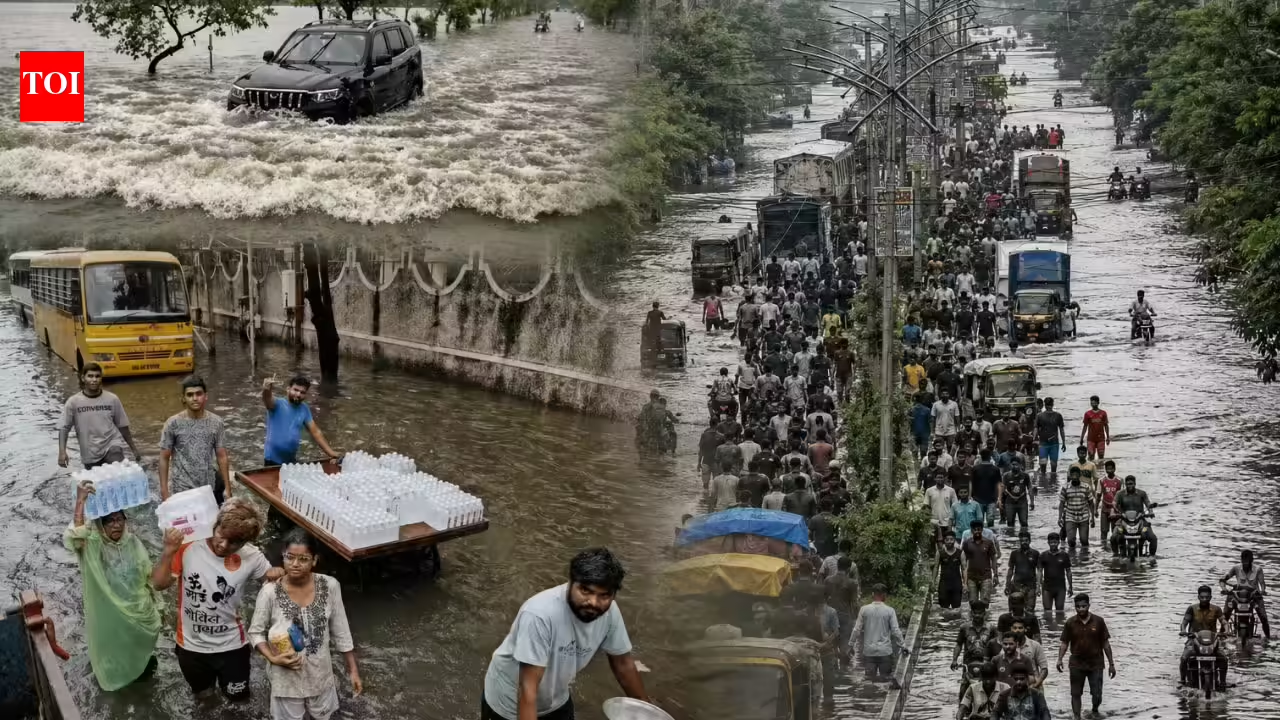
Mumbai experienced unprecedented rainfall, exceeding normal monthly totals in just one week.

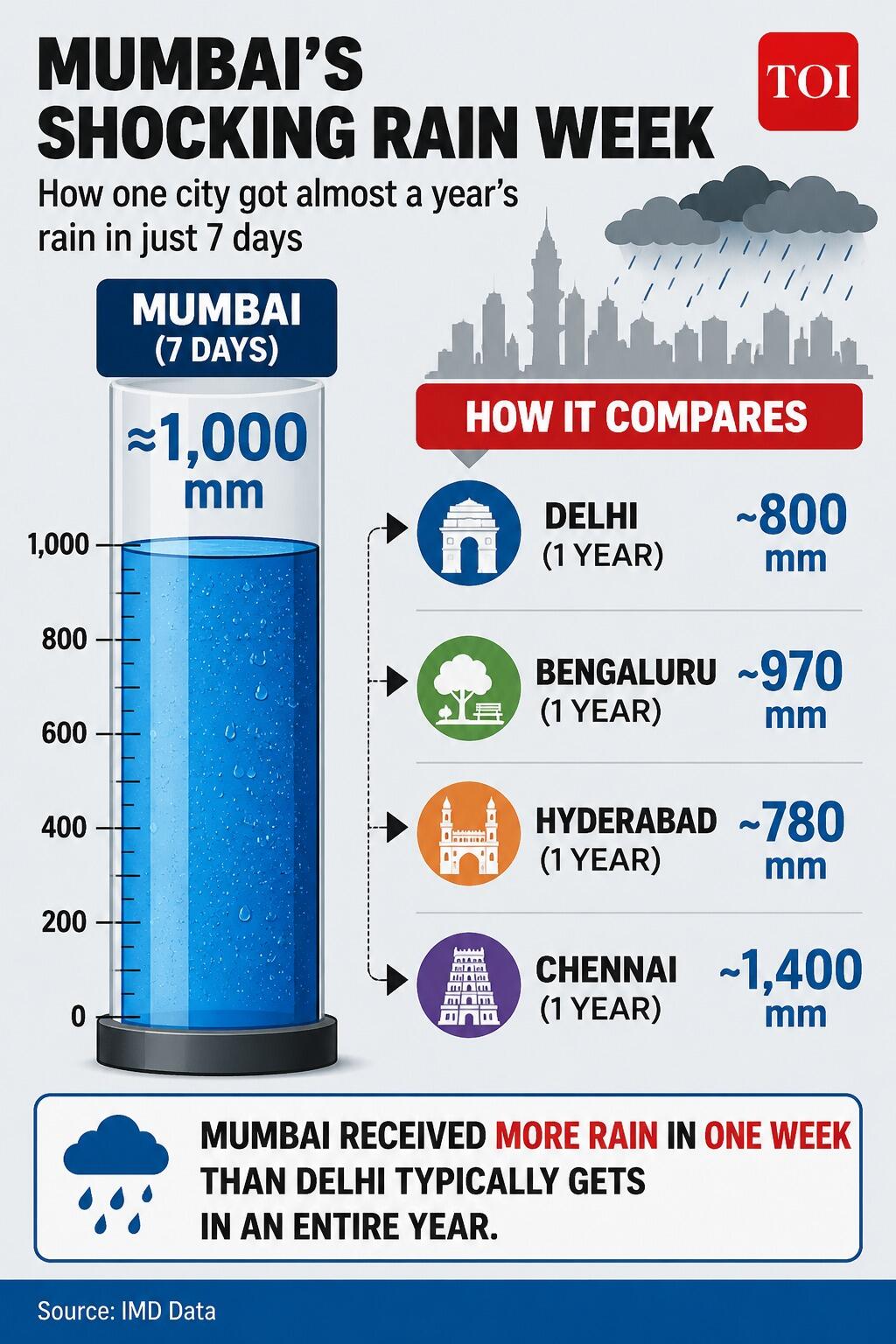
MUMBAI: Monsoons have been a part of Mumbai’s life always. However, what the city has witnessed in the past week is beyond the definition of a “normal” Mumbai monsoon.Between June 30 and July 6, two key observatories of the India Meteorological Department (IMD) recorded massive amounts of rainfall. Colaba recorded almost 883 mm during the seven-day period while Santacruz got nearly 989 mm. Updated numbers for the first week of July pushed Santacruz’s total over 1,000 mm, beating what the station received in the entire month of July last year.
Mumbai's shocking rain week

Mumbai’s shocking rain week

When compared to annual rainfall elsewhere in India, the figures are even more striking. In a week, Mumbai received more rain than Delhi typically gets in a year, nearly matched Bengaluru’s annual rainfall and surpassed the annual averages of some of India’s biggest cities.The comparison points to a larger story than just flooded roads and delayed trains. It is a reflection of how climate change is increasingly altering rainfall patterns across India – not necessarily by dramatically increasing seasonal rainfall, but concentrating huge amounts of rain into much shorter periods.Days of rain packed into a yearThe city has an average annual rainfall of 2,200-2,500 mm, with July being the wettest month. In the old days, rain would fall over a period of weeks with a mixture of moderate and heavy showers. The heavy spells were not uncommon, but were interspersed with relatively lighter days, allowing drainage systems and rivers to recover gradually. But, that trend is changing more and more.Mumbai is not having a steady rain over the season but a series of “cloudburst-like” rain episodes one after another when several hundred millimetres fall in 24 to 48 hours. This year shows that shift in stark terms.In fact, the city received over 60% of its average seasonal rainfall in just six days. Before the month was a week old, rainfall also exceeded the city’s normal July average in many places. Climate scientists care about more than just how much rain falls in total.It’s the ferocityClimate change is altering the way it rains. Warmer air can hold more water vapor. For every one degree Celsius increase in temperature, the atmosphere can hold about 7 % more water vapor. That added moisture is rapidly released as extremely intense rainfall when weather systems are favorable. In addition, the Arabian Sea has been warming steadily over the past decades.
Flood-hit Nalasopara residents rely on tractors

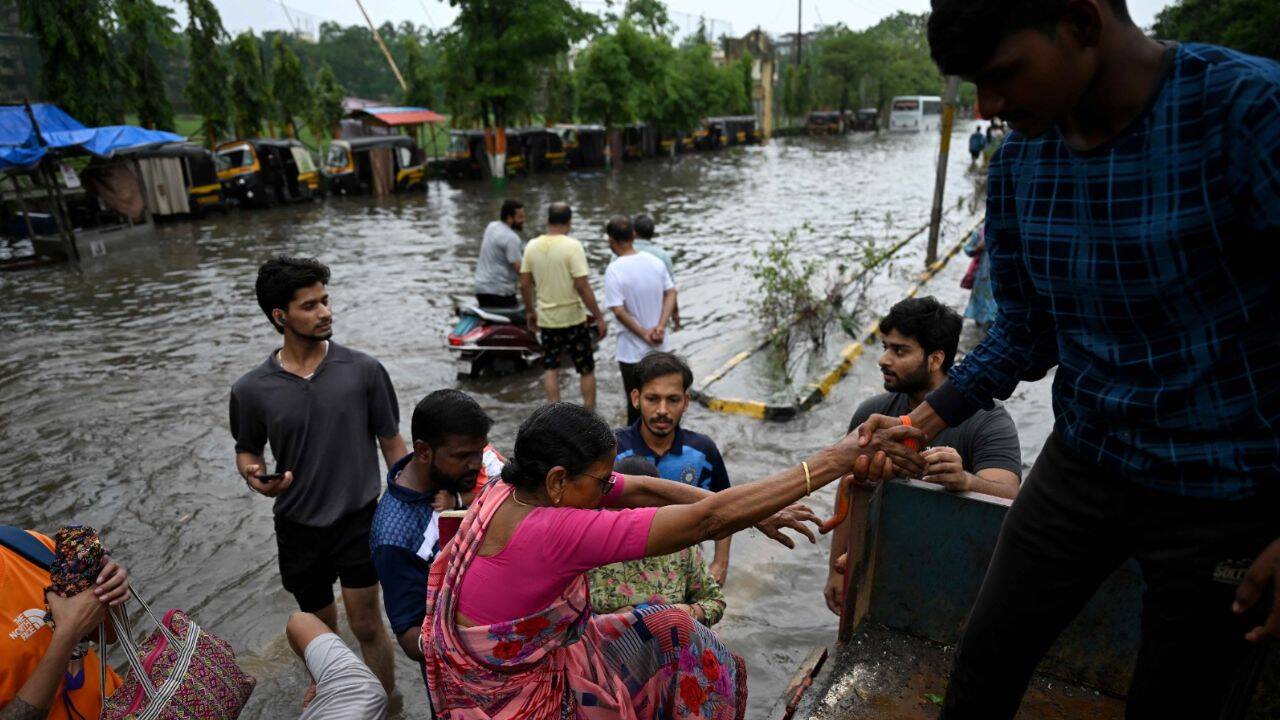
Flood-hit Nalasopara residents rely on tractors.

Monsoon systems carry more moisture towards India’s west coast because warmer sea surface temperatures cause more evaporation. These moisture-laden winds hit the Western Ghats and rise rapidly, cool and shed huge amounts of rain over Mumbai and neighbouring districts.Scientists say that not every heavy rainfall event is caused by climate change. It makes already favorable weather systems much more intense.And this is why rainfall records are being broken more and more. Not because monsoons are getting uniformly wetter, but because the rainfall is coming in shorter, more concentrated bursts.Why Mumbai still can’t get flood planning right – even after decadesWhat every great flood asks: Why does a little rain still bring Mumbai to a standstill? Thousands of crores have been spent by the city since the devastating floods of 2005. Storm water drains have been widened. Built pumping stations. Floodgates have been enhanced.Several desilting and widening projects have been carried out on the Mithi River. But many of the same neighbourhoods still suffer from water-logging. Part of the answer is infrastructure limits.Most urban drainage systems are designed using rainfall assumptions based on historical weather records. And when the intensity of the rainfall regularly exceeds these design standards, even upgraded systems can’t handle it.
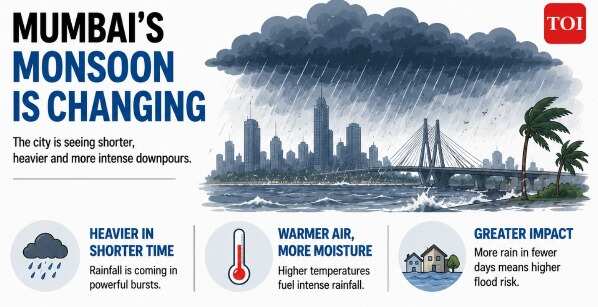
Mumbai's monsoon is changing

Mumbai’s monsoon is changing.

For example, when 200-300 mm falls in a matter of hours, drains cannot drain the water away fast enough.This is compounded by the high tide which simultaneously stops storm water from draining into the sea, a perpetual issue specific to Mumbai’s coastal geography. IMD has issued warning for high tides during the recent heavy rains coinciding with intense rainfall, which further increases the flood risks.Urbanisation is exacerbating the problemIt’s not just climate change that’s making Mumbai flood. The capacity of the city to absorb rainfall has been diminished by urban development. Huge areas of wetlands, mangroves, marsh and open ground have been gradually replaced by roads, buildings and concrete surfaces. Rainwater that used to soak into the ground now almost immediately runs off onto streets.Encroachment on natural drainage channels further retards the movement of water. Construction waste, silt and plastic waste often choke drainage capacity in the monsoon. This results in a city where heavy rainfall leads to immediate runoff, even with upgraded drainage infrastructure.Growing public frustrationApart from the weather, the monsoon rain this year has added to the woes of many Mumbaikars. Social media is flooded with videos of flooded roads, stranded vehicles, overflowing drains and commuters trapped for hours.A large number of citizens argue that flood is no longer an exceptional event but is expected to be happening in each monsoon.

Floodwaters turn streets into waterways

Floodwaters turn streets into waterways.

Concerns are growing over: If drainage projects are keeping up with changing rainfall patterns. If flood mitigation planning is still using old rainfall benchmarks. Whether adequate wetlands and natural flood buffers continue to be protected.Has climate adaptation become a core concern of urban planning? The discussion has moved from “Why did it flood?” to “Why are we still unprepared when we know that rainfall extremes are becoming more frequent?”Lessons learned from a changing climateMumbai has always had spectacular extremes in rainfall history. The benchmark remains July 26, 2005 when the Santacruz observatory logged 944 mm in just 24 hours, one of the city’s worst disasters. But as the climate warms, experts warn, what was once considered “once-in-a-generation” events could start happening more often.That doesn’t mean all years will be record breakers. Rather, the variability of the rainfall is increasing.Cities could experience longer periods of dry weather followed by extremely heavy rains in a few days. This makes for a tough planning problem. Infrastructure built for average rainfall may not be sufficient when extreme rainfall becomes the norm.More than rain totalsSo Mumbai’s extraordinary week of rain is not just another monsoon statistic. It’s evidence of a changing climate hitting one of the world’s most densely populated coastal megacities.Many will recall the almost 1,000 mm of rain that fell in seven days, with flooded roads and transport disruption. But there is a bigger story behind those headlines. It asks tough questions about whether Indian cities are preparing for yesterday’s climate or tomorrow’s.
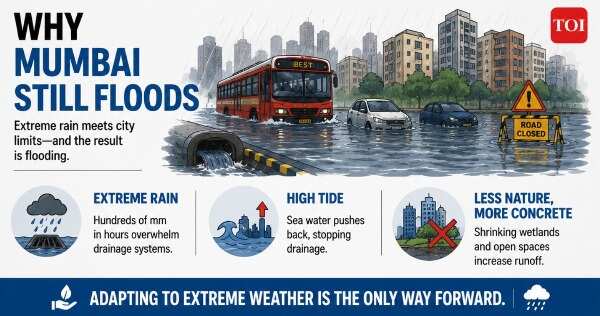
Why Mumbai still floods

Why Mumbai still floods.

Less predictable, heavier and more frequent rain will mean resilience will require not only bigger drains and pumping stations but smarter urban planning, protection of natural flood buffers, climate-informed infrastructure design and better early-warning systems.The latest deluge in Mumbai is a reminder that the challenge is no longer just about handling the monsoon. It is adapting to a changing monsoon.


Beyond the jersey: FIFA fever finds its way to fingertips | Mumbai News

Beyond the jersey: FIFA fever finds its way to fingertips
As Mumbai’s football fans go beyond jerseys and scarves, FIFA-inspired nail art is emerging as the latest way to wear team pride

Football fandom is no longer limited to jerseys or face paint. As FIFA fever grips fans, many are taking their love for the sport a step further by wearing it on their nails. From national flags and team colours to tiny footballs, jersey numbers and trophy motifs, football-inspired nail art is emerging as a stylish way for Mumbaikars to show their support.Nail artists say that while sports-inspired nail art has always had a niche following, the excitement around FIFA has led to a noticeable rise in requests for customised football-themed designs.

MixCollage-09-Jul-2026-02-18-PM-8202

‘Sports-inspired nail art is becoming popular’Studio Nails founder Anisha Mulchandani recently created multiple custom FIFA-inspired nail sets for Nora Fatehi’s FIFA opening dance performance.According to Anisha, the trend isn’t limited to celebrities. “Sports-inspired nail art is becoming increasingly popular, especially during global events like FIFA. Fans love incorporating their favourite team’s colours, football motifs and sporty elements into their nail art. Whether it’s FIFA, concerts or festivals, people want their manicures to reflect what they’re passionate about.”Mansi Bhanushali and Rajvi Bangari, founders of the Riovi salon, say football enthusiasts always opt for FIFA-inspired manicures during the tournament. Mansi adds, “Some clients prefer the convenience of home appointments so they can get ready without disrupting their match-day plans. Whenever possible, we try our best to accommodate such requests.” ‘It’s our way of showing support to our teams’Namrata Sali, a banking professional, who recently got Argentina-inspired nail art featuring the number 10, says, “I’m a huge Messi fan. Along with Argentina’s signature blue and white, I asked my nail technician to add touches of gold for a bit of glamour. The final design turned out beautifully. It’s such a fun and unique way to show support for my team.”Nidhi Kamdar, a college student, adds, “I chose Norway’s iconic red, blue and white colours along with tiny football motifs on a couple of nails. It’s such a fun conversation starter, and so many people have asked me about it while watching matches at screenings. It’s my way of wearing my fandom.”

MixCollage-09-Jul-2026-02-19-PM-9419

Nail art has evolved beyond beautyAdhikansh H Aroraa, founder of Bombay Nail Company, says football-inspired manicures have become a talking point among clients. She adds, “It shows that nail art has evolved beyond beauty — it’s become a way to celebrate passions, moments and individuality. It feels good to see more people experimenting and being playful with nails.”For many fans, a themed manicure has become part of the match-day ritual — just like picking the right jersey or gathering friends to watch the game.FIFA-inspired nail trends this seasonTeam colours recreated as French tips or ombré nailsNational flags painted as accent nailsMini footballs, jerseys and goalpost motifsTrophy-inspired metallic nail artPlayer jersey numbers and initialsChrome finishes in gold and silver for a championship-inspired look

Marathi compulsory for commercial drivers from Aug 16: Maharashtra transport minister Pratap Sarnaik | Mumbai News

Marathi compulsory for commercial drivers from Aug 16: Maharashtra transport minister Pratap Sarnaik
Pratap Sarnaik said a notification to the effect was issued by the state transport dept on July 8.

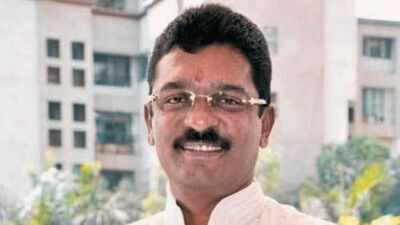
MUMBAI: The rule making it mandatory for drivers of commercial vehicles in Maharashtra to speak in Marathi will be implemented from Aug 16, announced state transport minister Pratap Sarnaik in the Legislative Council on Wednesday.Sarnaik said a notification to the effect was issued by the state transport dept on July 8.To implement the mandatory use of Marathi, Rules 4, 22, 78 and 85 of the Motor Vehicles Rules, 1989, have been amended.“This is not against any language, but to make it safe for one crore commuters and ensure there is clear communication, and will help avoid confusion and enable getting help in emergencies.”He said the Kokan Marathi Sahitya Parishad and the Mumbai Marathi Sahitya Sangh organised classes in RTO offices to teach Marathi.

Railway minister reviews Mumbai–Pune ghat restoration, trains to continue with two locomotives on restored line | Mumbai News

Railway minister reviews Mumbai–Pune ghat restoration, trains to continue with two locomotives on restored line

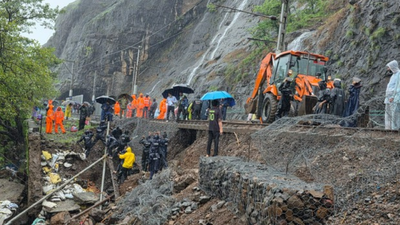
MUMBAI: Railway minister Ashwini Vaishnaw on Thursday reviewed the restoration work in the Mumbai–Pune ghat section and said all trains operating on the single line restored on Tuesday will continue to run with two locomotives. The arrangement will remain in place as the slip line required for attaching banker engines is still out of service following extensive landslide damage.The minister said the landslides caused significant damage to the railway tracks and the surrounding hillside, making the restoration work challenging. He added that teams from Central Railway and Western Railway are working in close coordination to restore the remaining two lines at the earliest while ensuring safe train operations through the affected stretch.Vaishnaw said running trains with two locomotives has become necessary as banker locomotives cannot be attached or detached without the slip line. The temporary arrangement will continue until the damaged infrastructure is fully restored.He also said transporting construction material to several restoration sites has been difficult due to the challenging terrain and the extent of the damage. Railway teams are coordinating with the district administration and the forest department to move machinery, materials and manpower to affected locations so that restoration work can be completed without delay.One of the three railway lines in the 27-km Khandala–Karjat ghat section was restored on Tuesday after train services on the Mumbai–Pune route remained suspended for around 44 hours following landslides at two locations in the Lonavala ghat. Train operations resumed with a speed restriction of 30 kmph, while work on the remaining two lines is continuing round the clock.The railway has deployed more than 1,100 workers for the restoration exercise, supported by a boulder special train, ballast rake, Unimat and Duomatic track maintenance machines, eight poclain excavators and 12 JCB machines. Special labour trains are ferrying workers to inaccessible locations, while accommodation, food and safety gear have been provided to ensure uninterrupted work despite persistent rainfall.Apart from clearing debris and rebuilding the damaged track formation, engineers are carrying out long-term stabilisation measures, including the construction of gabion retaining walls, restoration of damaged rockfall fencing, rock bolting on vulnerable hill slopes and rebuilding washed-out embankments. Railway officials said the remaining lines will be restored only after all safety inspections are completed and the section is certified fit for normal operations.

Mumbai gets relief from relentless rain, BEST buses, local trains operate smoothly; IMD warns of heavy rainfall in isolated areas | Mumbai News

Mumbai gets relief from relentless rain, BEST buses, local trains operate smoothly; IMD warns of heavy rainfall in isolated areas
Mumbai woke up to an overcast but largely rain-free Thursday morning after days of relentless monsoon showers, offering residents a brief respite from the heavy rain.

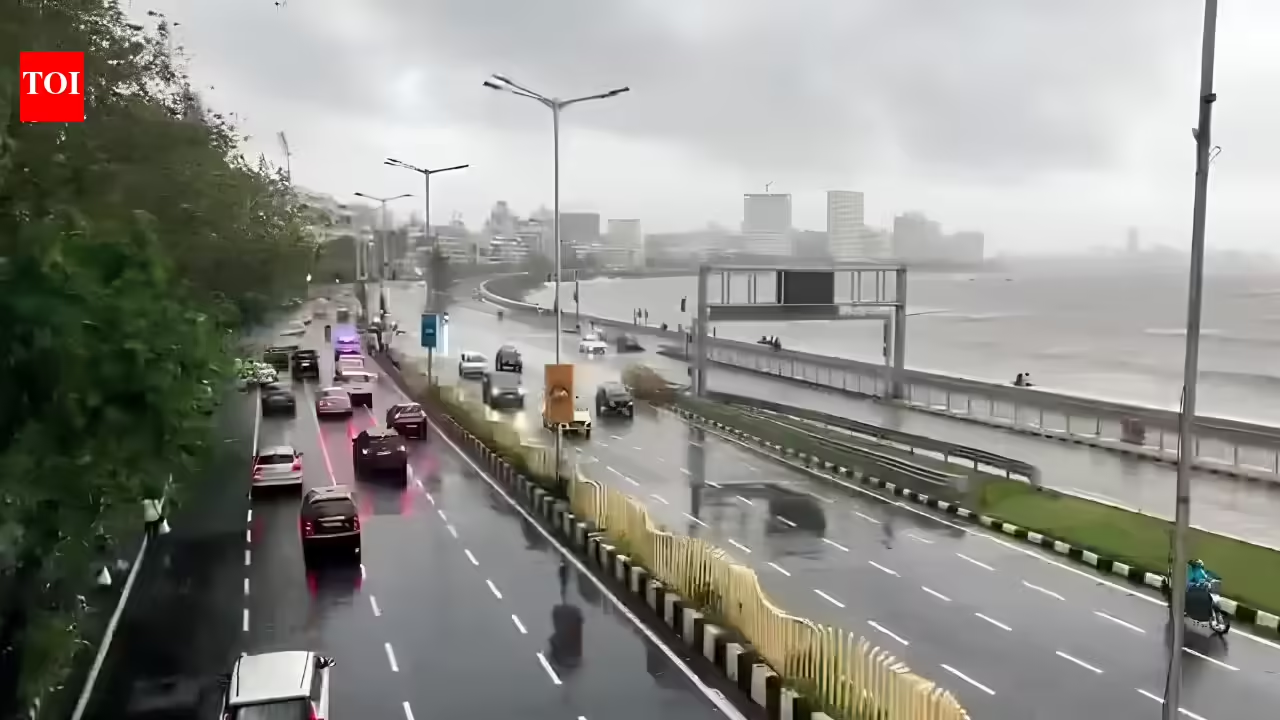
MUMBAI: Mumbai woke up to an overcast but largely rain-free Thursday morning after days of relentless monsoon showers, offering residents a brief respite from the heavy rain that had disrupted normal life across the city.Although most parts of the city remained dry during the morning, the India Meteorological Department (IMD) has forecast intermittent rainfall later in the day.The IMD has predicted a generally cloudy sky with intermittent light to moderate rain in Mumbai and its suburbs. Heavy rainfall is likely at isolated places, accompanied by lightning, thunder and occasional gusty winds reaching speeds of 40-50 kmph, the Brihanmumbai Municipal Corporation (BMC) said.According to the BMC, the island city recorded an average of 14.21 mm of rainfall in the 24-hour period ending at 8 am on Thursday. The eastern suburbs received 39.37 mm, while the western suburbs recorded 28.85 mm.The civic body said there was a high tide of 3.49 metres at 7 am. The next high tide is expected at 6.09 pm at 3.62 metres, while a low tide is forecast at 12.29 pm at 2.32 metres.The brief dry spell came after several days of heavy rain that triggered waterlogging, uprooted trees, traffic congestion and disruption to suburban rail services across Mumbai.Officials said public transport services, including suburban local trains, Metro services and BEST buses, are operating normally. However, several commuters reported that suburban trains were running 5-10 minutes behind schedule.According to Western Railway officials, there is no waterlogging between Vasai Road and Virar, a stretch that witnessed intense rainfall over the past few days.

CM says BMC should invest part of its deposits, not keep the money in banks | Mumbai News

CM says BMC should invest part of its deposits, not keep the money in banks

Mumbai: CM Devendra Fadnavis said on Wednesday that the BMC, which has Rs 78,000 crore saved in banks, should use part of the deposits to finance projects in the city where it will earn a much higher return.He said BMC’s deposits earned an interest of just 3% in banks, while the same money could earn a return of up to 15% if invested in projects. “The BMC should keep part of its deposits but there is a limit. The rest of the fund should be invested in infrastructure projects where they will get returns of up to 15%,” Fadnavis said in the assembly. “The bank interest rate on its deposits is only 3% while the rate of inflation is 7%. This means it is losing 4% of its value annually,” he added.The Mahayuti govt’s debt has shot up to an estimated Rs 11 lakh crore, mainly owing to its pre-poll sops. Its debt burden will increase with the recently-announced farm loan waiver. This poses major challenges in the financing of mega projects and new schemes.Fadnavis said unlike the BMC, MMRDA had used its deposits to finance projects and earned a return 13-14% on the funds. “When I took over as CM, I told MMRDA you are not a bank or retired employee, so you should invest in projects and get higher returns. So they leveraged their deposits and generated funds worth Rs 2 lakh crore for projects like the Metro in Nagpur and Pune,” he said.He said the BMC had refused to use its deposits on Metro projects. “MMRDA helped finance 300 km of Metro works and also projects like Atal Setu, while servicing its debt and creating assets for the city,” he added.Fadnavis said that when BMC financed the Coastal Road, it was allowed to charge a higher premium to generate additional deposits. “There was talk that the deposit has been broken. What are we supposed to do with it – keep it and eat it?” he asked.He said BMC’s deposits amounted to Rs 62,000 crore in 2017, Rs 72,000 crore in 2018, Rs 76,000 crore in 2019 and Rs 79,000 crore in 2020. By 2021, it was Rs 78,000 crore. The amount was the same in June 2026.In 2022 and 2023, BMC deposits had shot up to Rs 89,000 crore because of reduction in premiums in the wake of Covid. “As a result, developers paid premiums in advance and this raised deposits for that period,” Fadnavis said.

Mahanagar Gas ties up with India Power for doorstep gas meter reading in Mumbai | Mumbai News

Mahanagar Gas ties up with India Power for doorstep gas meter reading in Mumbai

Mumbai: In a first-of-its-kind initiative in the city gas distribution sector, Mahanagar Gas Limited (MGL) has partnered with the Department of Posts (India Post), Maharashtra Circle, to conduct doorstep meter reading services for its domestic piped natural gas (PNG) consumers across Mumbai. The initiative, announced on Tuesday, will begin with a pilot project in South Mumbai before being expanded to other parts of the city in phases. With the collaboration, MGL becomes the first City Gas Distribution (CGD) company in the country to leverage India Post’s extensive field network for gas meter reading services.Under the arrangement, uniformed India Post personnel will visit households to collect gas meter readings using a dedicated mobile application. Each reading will be supported by a photograph of the meter display, ensuring accuracy and transparency. The data will be transmitted directly to MGL’s systems through an Application Programming Interface (API), enabling end-to-end traceability and reducing the scope for errors.According to MGL, visits will be conducted strictly based on the consumer database shared with India Post. In a move aimed at enhancing customer comfort and trust, the service will make maximum feasible use of women postal staff for household visits.The partnership was formalised through a Memorandum of Understanding (MoU) signed on July 7 by Krishnan Selvapandian, Assistant Vice President (Contracts & Procurement), MGL, and Kaiya Arora, Postmaster General, Mumbai Region. MGL Managing Director Praveer Kumar Srivastava said the collaboration would combine MGL’s customer service objectives with India Post’s trusted last-mile connectivity.

Mumbai monsoon fury: Flooding disrupts Central Railway services as Western Railway sees marginal improvement | Mumbai News

Mumbai monsoon fury: Flooding disrupts Central Railway services as Western Railway sees marginal improvement
Officials said nearly 60% of the underground pipeline project has been completed. (Representative image)

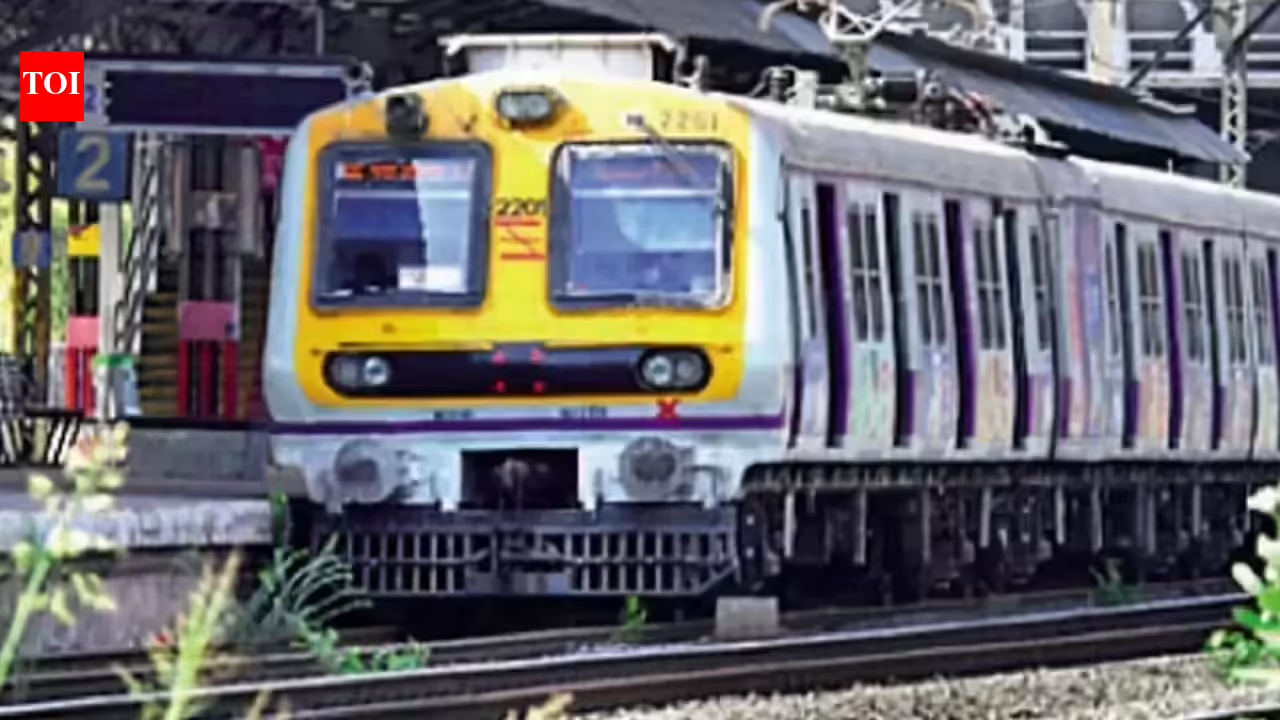
MUMBAI: Heavy rain continued to affect Mumbai’s suburban rail network on Wednesday, although conditions on the Western Railway network improved marginally compared with the previous day.On the Central Railway network, train services between Neral and Bhivpuri Road on the south-east route were suspended twice after the swollen Ulhas River inundated the tracks.CR spokesperson said, “Operations on both the up and down lines were first halted at 4. 52am and resumed at 6. 10am after the water level receded. However, renewed flooding forced another suspension between 10. 40am and 11. 32am, disrupting train movements through the section.”On the Western Railway network, services on the flood-prone Vasai–Virar section improved, though operations had not fully returned to normal. Of the 206 daily up and down local services operated between Vasai and Virar, 144 ran while 62 were cancelled.The Churchgate–Virar corridor also witnessed fewer disruptions. WR had to operate services with speed restriction due to the water logging situation at Nalasopara.Railway officials said train services were being closely monitored and cautioned that further spells of heavy rain could lead to delays or temporary disruptions in low-lying sections of the suburban network.

Bombay HC provides personality rights protection to Zinta against deep fakes, misuse of name and AI online | Mumbai News

Bombay HC provides personality rights protection to Zinta against deep fakes, misuse of name and AI online

Mumbai: Bombay High Court on Wednesday granted interim relief to Bollywood actor Preity Zinta, directing the deletion of online posts that she claimed violated her personality, publicity and moral rights, bringing back her trademark dimpled smile. She sought that social media intermediaries be directed to take down AI-generated deepfake and morphed content of hers, and Justice Madhav Jamdar passing the order observed misuse of such content does affect a person’s fundamental rights.Justice Jamdar, sitting singly, reminded online platforms of their legal obligation towards due diligence under the Information Technology rules that govern intermediaries. He expressed concern over the role of intermediaries in tackling offensive content.Zinta through solicitor Jai Munim filed a suit seeking protection of her personality rights. The material including deep fake images, AI and superimposed visuals and morphed pictures prima facie violated her moral, publicity and personality rights, the HC held, and infringed her privacy rights.Her plea for interim protection also sought orders to restrain named and unnamed websites and people from using, exploiting or misappropriating the use of her name, nickname, photographs, likeness including her distinctive dimpled smile, caricature, voice, mannerisms, persona or other attributes of her personality in any form for commercial or personal gain.The HC granting her the various reliefs clarified that for any future infringement, if she approaches the intermediaries like Google, Meta and X to take down such content and if they object citing genuineness, she has the liberty to apply for appropriate orders again.Her suit said domain names also exist in her name, which she did not create. It said, “Personality traits are an integral/intrinsic part of her personality rights and/or publicity rights, in which the Plaintiff exercises (and ought to exercise) exclusive control.”Zinta is also the co-owner of Punjab Kings, a franchise in the Indian Premier League, and her concern in the suit was also that AI-generated content was rapidly becoming more realistic with chatbot-style interactions posted and hosted online by alleged infringers.