2 injured after BEST bus hits auto at Goregaon | Mumbai News

2 injured after BEST bus hits auto at Goregaon
With BEST’s daily ridership having dropped from 45 lakh to 23 lakh but expected to rise beyond 50 lakh in future, experts warn that fleet expansion without adequate, trained drivers could further strain the system and compromise commuter safety

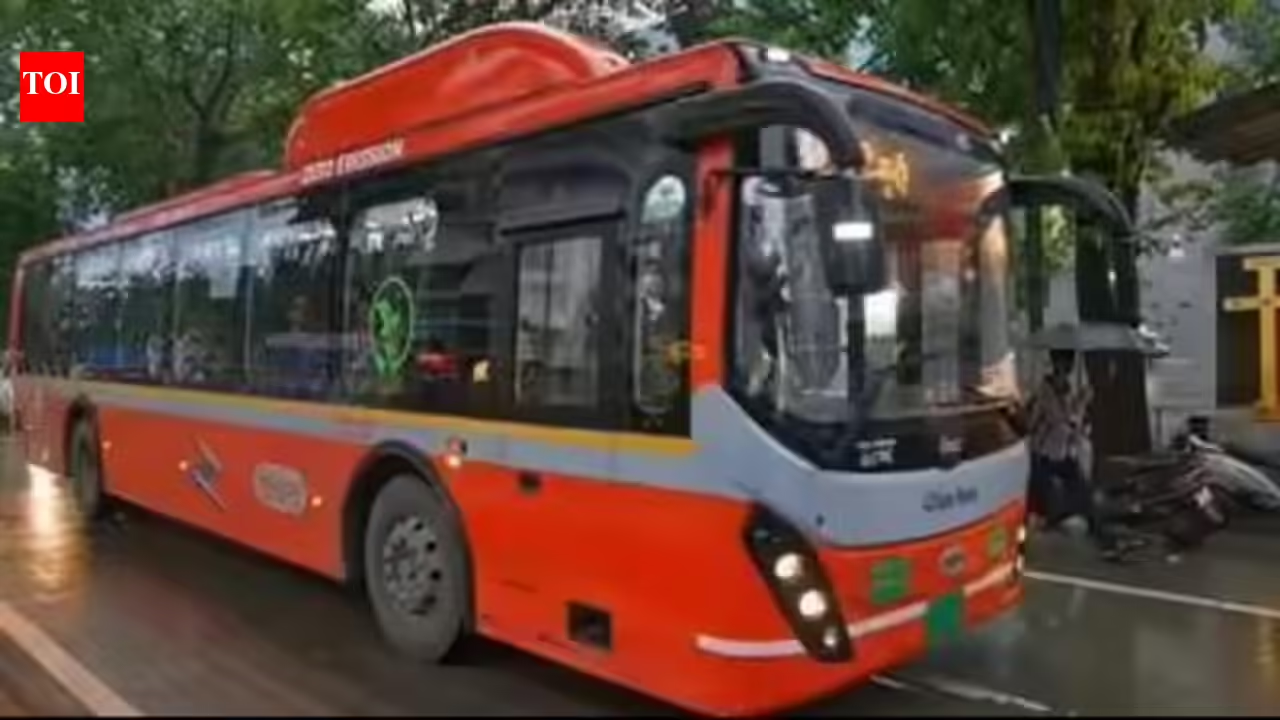
Mumbai: An auto-rickshaw driver and his passenger were injured after a BEST bus hit the auto at Goregaon West recently. Bangur Nagar Police registered an FIR against the BEST bus driver on Tuesday.The auto driver, Sunil Yadav, 46, is based in Thakur Village in Kandivali West. He told the police that he was ferrying two passengers, Rishikesh J and his father, Vijay J, from Thakur Village to Malwani on June 26. Around 5.15 pm, while the auto was moving from SV Road towards Link Road at Mith Chowki signal, a BEST bus moving on the Link Road’s north-bound arm suddenly took a right turn. As a result, the bus hit the auto on its left side.Yadav was thrown out of the vehicle due to the impact and suffered injuries to his hand. Rishikesh, one of the passengers in the auto, also suffered injuries. The auto was damaged in the incident. When Yadav confronted the bus driver, Anand Kumar Janardan, the latter started to argue with hm and a fight broke out. Janardan left without helping the injured persons. Yadav went to the Babasaheb Ambedkar Hospital where he took treatment. He approached the police several days after the incident, on Tuesday, to lodge a complaint.

Absconding builder’s son driving SUV held nine hours after fatal accident in Taloja | Mumbai News

Absconding builder’s son driving SUV held nine hours after fatal accident in Taloja

Navi Mumbai: After nine hours of search, Taloja police nabbed the accused SUV driver who crashed into multiple vehicles and a pedestrian, and left a 35-year-old Scooty rider Nadeem Khan dead and five others injured around 12.15 pm on Tuesday in Sector 10, Taloja Phase-1.Police inspector (crime) Sagar Nikam said, “The accused, Arafat Patel (22), a builder’s son, was apprehended from his father’s construction firm office in Kharghar by tracking his location using technical expertise. Around 9.30 pm on Tuesday, they were leaving the office, when our police team arrived and nabbed him. Patel is pursuing a BBA (Bachelor of Business Administration) course. On Wednesday, he was produced before the Panvel court that remanded him to police custody till July 10.Pravin Bhagat, senior inspector of Taloja, said, “During interrogation, the accused, Arafat Patel, claimed that he had accidentally accelerated instead of applying brakes causing the accident. Patel further claimed that he fled from the accident spot as he also panicked due to anxiety and fear that he would be beaten up by the public/ However, his electrical SUV’s inspection report will be obtained from the Panvel RTO. His medical test at Panvel sub-district hospital has confirmed that he was not under the influence of alcohol while driving the SUV.”SPI Bhagat said, “An FIR was registered against the accused Arafat Patel around 11.50 pm after recording the statement of one injured person, Mohammad Shaikh (28), whose tempo was among the multiple vehicles that Patel’s SUV crashed into, after he was in a condition to give statement to police at MGM Hospital in Kamothe. Shaikh had sustained minor injuries to his head and abdomen. Thereafter, the detained accused Patel was arrested around 12.15 am on Wednesday.

Shiv Sena corporator Ramesh Mhatre hospitalised hours after arrest in Dombivli doctor assault case | Mumbai News

Shiv Sena corporator Ramesh Mhatre hospitalised hours after arrest in Dombivli doctor assault case
Senior Shiv Sena corporator Ramesh Mhatre was arrested for assaulting hospital staff. Mhatre’s health deteriorated after his arrest, and he was hospitalized

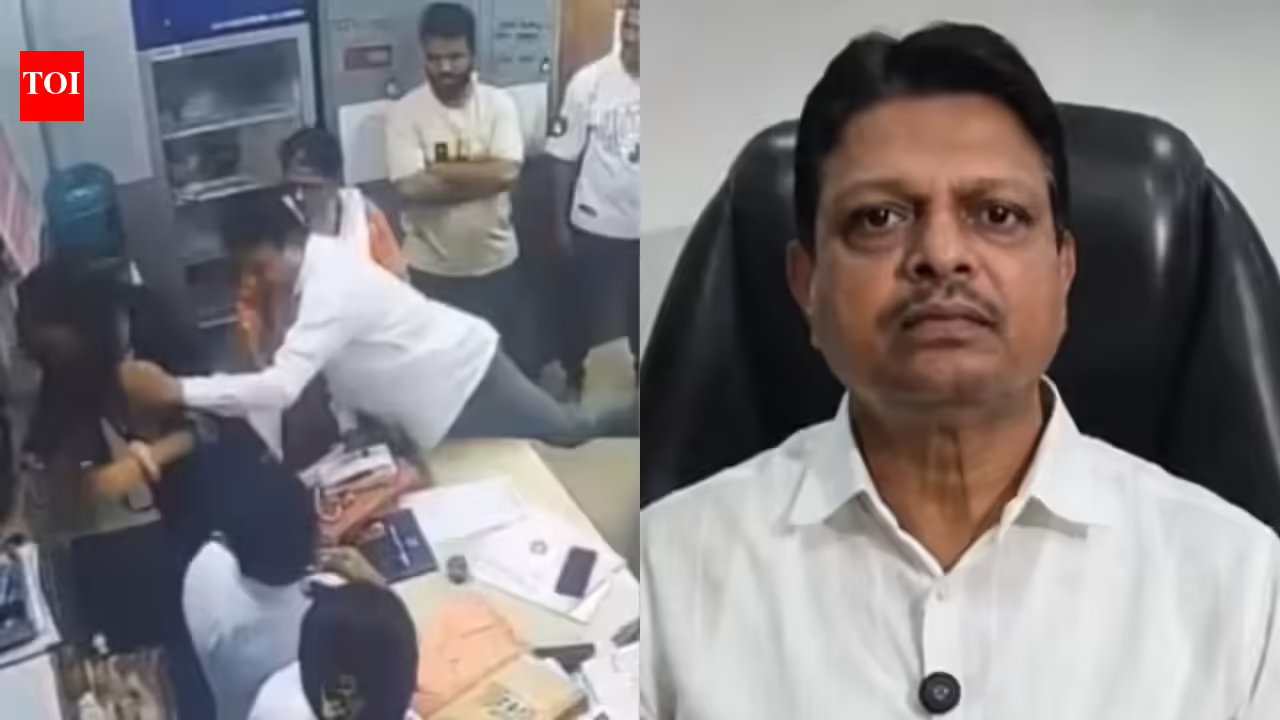
KALYAN: Senior Shiv Sena corporator Ramesh Mhatre, 72, was admitted to Thane Civil Hospital after his health reportedly deteriorated within four hours of his arrest in the doctor assault case on Tuesday.According to police, Mhatre complained of severe chest pain and was found to be suffering from high blood pressure, prostate-related ailments and kidney-related issues. He was shifted to the hospital for treatment and observation.A three-time corporator from Dombivli, Mhatre was arrested by the Vishnu Nagar police along with four others in connection with the alleged assault on doctors and medical staff at the KDMC-run Shastri Nagar Hospital. The action followed an FIR lodged by doctor Vaibhav Salunkhe.The accused have been booked under relevant provisions of the Bharatiya Nyaya Sanhita (BNS) and the Maharashtra Medicare Service Persons and Medicare Service Institutions (Prevention of Violence and Damage or Loss to Property) Act, 2010, for allegedly assaulting the doctor during a dispute at the hospital.Police had earlier arrested three of his alleged associates — Akshay Karande, Ramesh Pawar and Pramod Nikam — for their role in the attack on doctors and hospital staff.The assault had sparked widespread outrage across the medical fraternity, prompting the Indian Medical Association (IMA) to suspend routine outpatient services across KDMC-run hospitals and several private hospitals in Kalyan-Dombivli, while emergency services continued. Doctors had demanded the immediate arrest of all those involved and strict implementation of the Maharashtra Medicare Act.The incident also triggered political reactions. NCP (SP) MLA Rohit Pawar and Shiv Sena (UBT) leader Aaditya Thackeray visited Shastri Nagar Hospital and demanded Mhatre’s immediate arrest. Kalyan MP Dr. Shrikant Shinde also condemned the assault, saying no one who takes the law into their own hands would be spared.Meanwhile, despite the arrest of the main accused, the family of one of the young doctors allegedly assaulted during the attack says the incident has left her traumatised and fearful about returning to work.Dr. Shrushti Baviskar, who joined the KDMC-run hospital barely a month ago in her first posting, is now reconsidering whether to continue working there, according to her family.Her father, Mahendra Baviskar, said the attack on doctors and nurses had deeply shaken the family.“The attack showed complete disregard for the law. Such incidents should never happen to healthcare workers who are only performing their duty,” he said.Speaking to TOI, her mother, Sangeeta Baviskar, said her daughter continues to struggle with the psychological impact of the assault.“She is frightened after the attack. She keeps wondering whether she should continue working at this hospital because those who attacked her may target her again in the future. This is her first job as a doctor, and she had joined KDMC only a month ago,” she said.The attack on medical staff had triggered protests by doctors across Kalyan-Dombivli, with routine OPD services suspended as a mark of protest while emergency services remained operational. The medical fraternity has maintained that along with arrests, stronger measures are needed to ensure the safety and security of healthcare workers in government hospitals.

Two youngsters drown in Mumbai’s Kandivli suburb in 1 day | Mumbai News

Two youngsters drown in Mumbai’s Kandivli suburb in 1 day
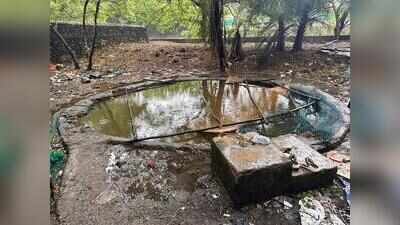
A 17-year-old boy drowned in a well near Sagwadi in Charkop

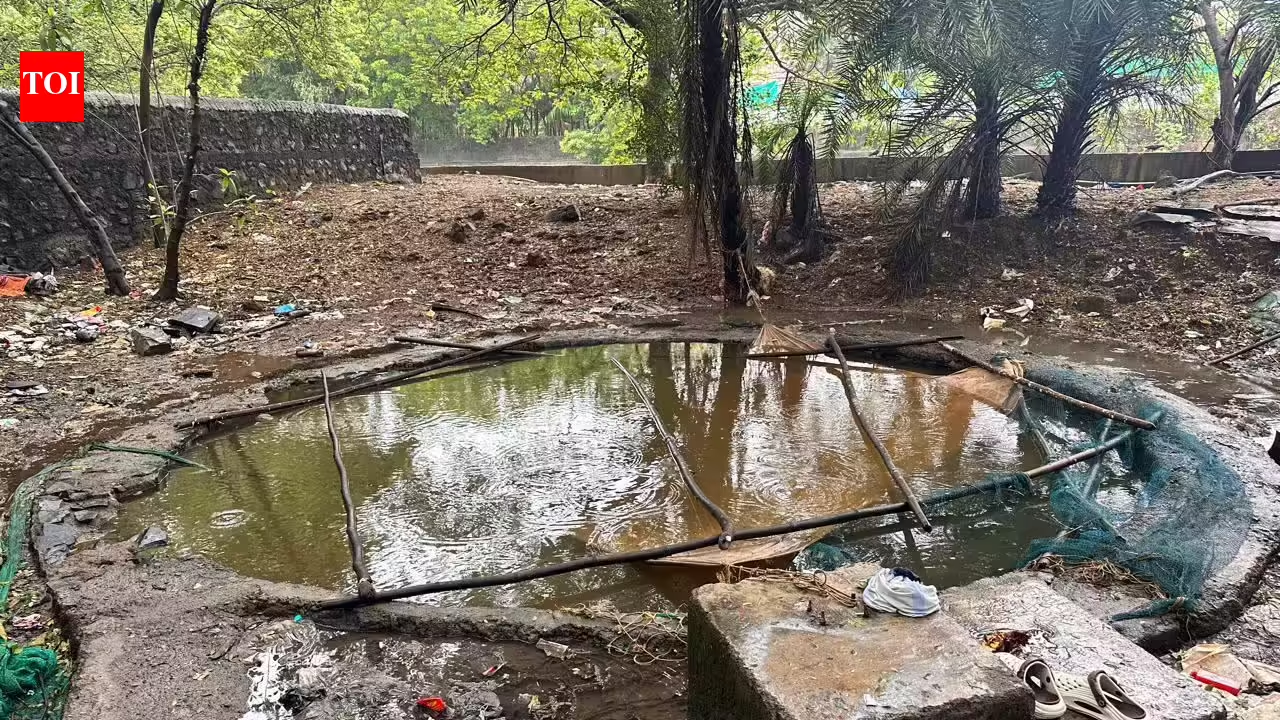
Mumbai: Two youngsters drowned in separate incidents in Kandivli on Wednesday. A 17-year-old boy, Preet Ganve, drowned in a well near Sagwadi in Charkop and a 22-year-old man, Sonu Vishwakarma, drowned in Dingeshwar lake at Charkop. Police suspect he was inebriated when he entered the lake adjacent to a temple.Police said Ganve, who lived at Tulaskarwadi in Kandivli (W), and two of his friends, also aged 17, entered the well for a swim. Soon after, Ganve started facing difficulty in breathing. He was brought out of the well by firemen using ropes and first-floor ladders, and was rushed to Nidhi Hospital where doctors pronounced him dead. Kandivli police have recorded a case of accidental death.In the second incident at Charkop, police said Vishwakarma, who was unemployed, entered the lake and started swimming. Some of the bystanders even filmed him swimming, But when he vanished under water, police were informed. Fire brigade personnel carried out a search, but his body was not found till late at night.

BMC seeks to revive Mumbai’s first community biogas plant, floats expression of interest | Mumbai News

BMC seeks to revive Mumbai’s first community biogas plant, floats expression of interest
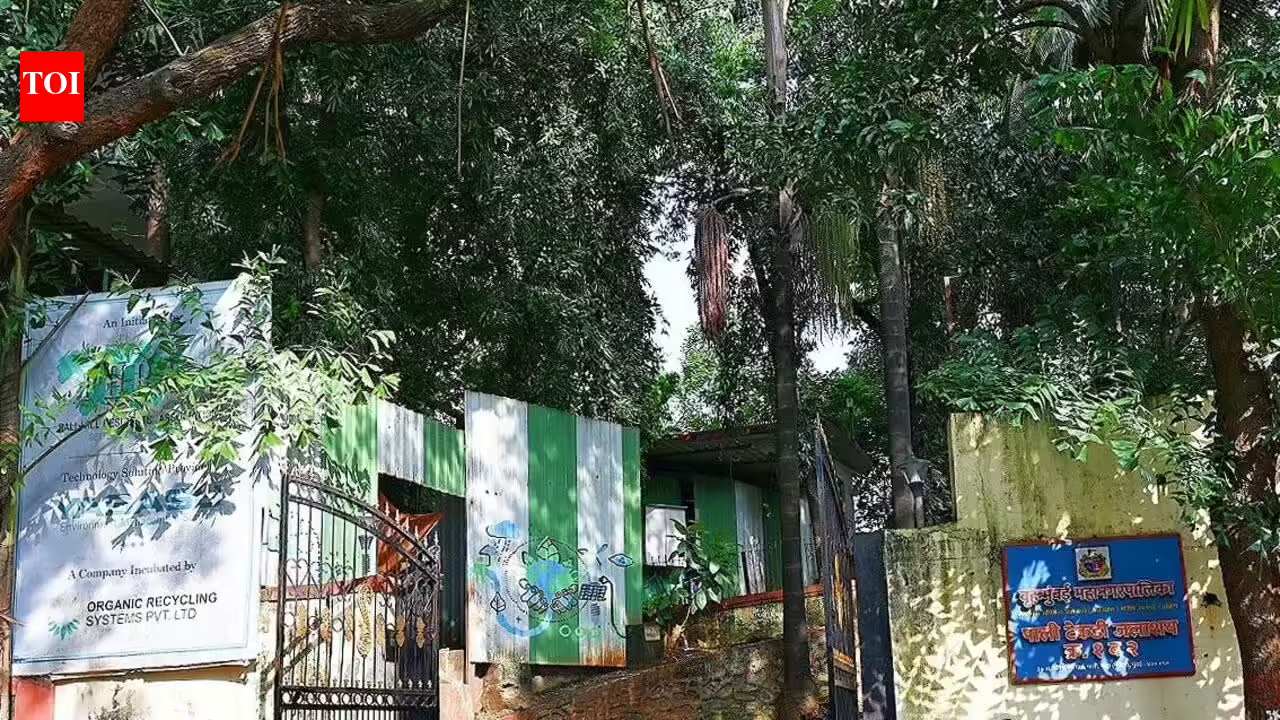
Mumbai’s pioneering community biogas plant at Pali Hill in Bandra had abruptly ceased operations last year

Mumbai: Nearly a year after the city’s first community-level biogas plant shut down, the BMC has initiated the process to revive the pioneering waste-to-energy project at Pali Hill in Bandra. The civic body has floated an expression of interest (EoI) inviting registered companies, institutes, trusts, and enterprises to revive, modernise and sustainably operate the Pali Hill Decentralised Waste-to-Energy Facility through a special purpose vehicle in H/West ward.In May, a team of civic officials, along with local corporator Swapna Mhatre and Pali Hill Residents Association’s Madhu Poplai, visited the site to take stock of the plant’s current situation.Applications will be accepted between July 14 and 27, according to the tender notice issued by H/West ward office.The plant had ceased operations in August 2025, eight years after it began converting neighbourhood wet waste into biogas and electricity. The facility had been established by the Pali Hill Residents Association (PHRA) using Corporate Social Responsibility funding and was widely regarded as a model for decentralised waste management in Mumbai.Poplai said that the only way the new facility would be able to carry on its operations seamlessly is by making it self sustainable. “It should be able to operate in a way that the technology is up-to-date and in tune with evolving technologies and should be able to fund itself in a way that there is no external intervention needed in the long run. If the BMC has decided to revive it, we, as an association, will provide all our support,” she said.Back in May 2018, when the BMC’s proposed waste-to-energy project at Deonar was yet to take off, the PHRA had commissioned the one-tonne-per-day biogas plant to process wet waste generated by around 70 residential buildings and 23 bungalows in the neighbourhood. The energy generated powered 69 streetlights across Pali Hill and nine at the Pali Hill water reservoir, making it one of the city’s earliest examples of converting community waste into clean energy. However, the project came to a halt after the agency appointed by the BMC for its operation and maintenance found it “unfeasible” to continue running it, resulting in its closure in August 2025.

‘Initial hiccups inevitable’: Devendra Fadnavis defends Mumbai-Pune Expressway Missing Link, calls it ‘engineering marvel’ | Mumbai News

'Initial hiccups inevitable': Devendra Fadnavis defends Mumbai-Pune Expressway Missing Link, calls it 'engineering marvel'
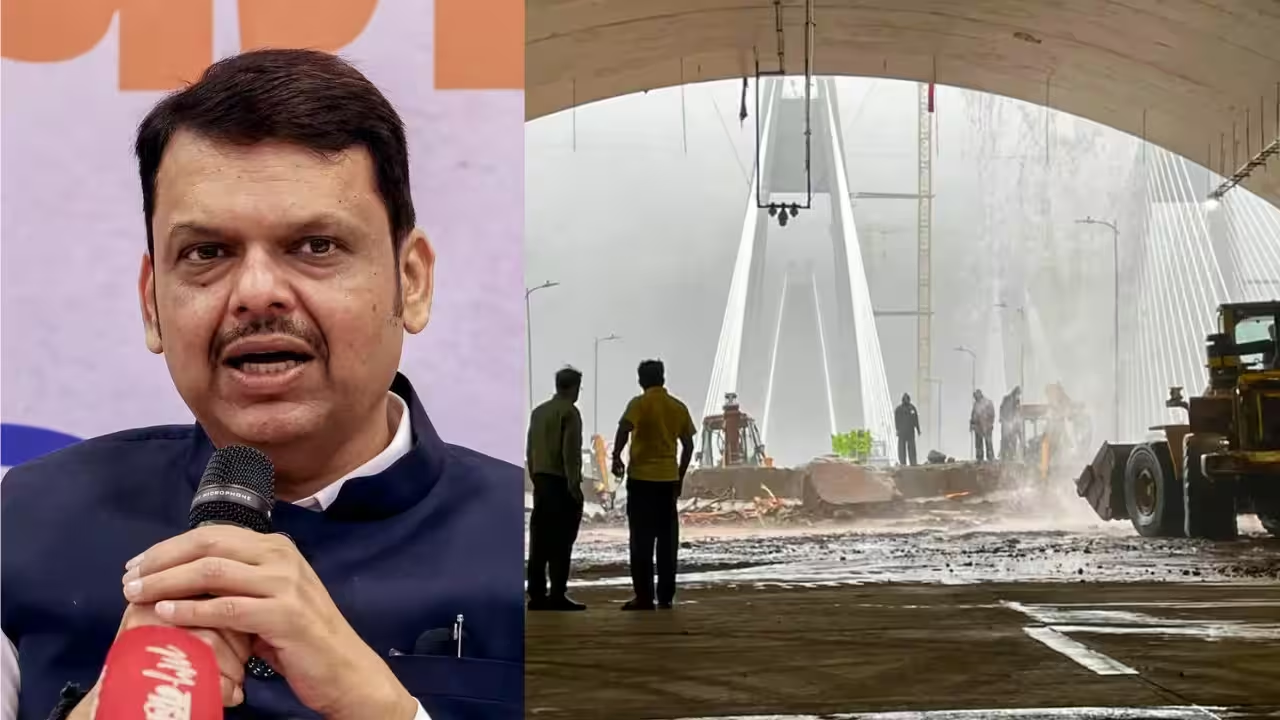
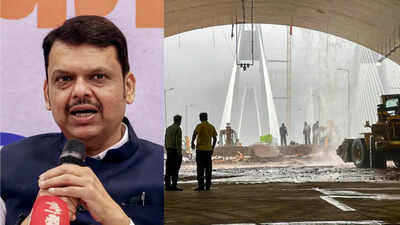
Maharashtra chief minister Devendra Fadnavis (L) defended the Mumbai-Pune Expressway Missing Link project (R)

MUMBAI: Maharashtra chief minister Devendra Fadnavis on Wednesday strongly defended the Mumbai-Pune Expressway’s Missing Link project amid criticism following a landslide near its tunnel.The CM said such initial challenges were inevitable in major infrastructure projects, news agency PTI reported.Replying to a discussion on heavy rains and flood management in the state assembly, Fadnavis accused critics of spreading misinformation through television, social media and hired trolls, warning that those defaming Maharashtra with false claims would not be spared.“10 years from today, those who hurl abuse won’t be around, but there will be the connecting link and the names of Devendra Fadnavis and (deputy CM) Eknath Shinde,” the chief minister said.Fadnavis said the Missing Link features India’s widest cable-stayed bridge and massive viaducts capable of withstanding wind speeds of up to 170 kmph.He added that the project has reduced accidents in the ghat section and improved traffic flow.Drawing a comparison with the Konkan Railway, Fadnavis said engineering achievements should not be judged by a single incident and that the government would implement additional safety measures.Traffic on the Missing Link remained suspended for over 18 hours after a landslide triggered by heavy rainfall on Monday.Fadnavis also accused critics of deliberately spreading misinformation.“The very next day after the connecting link was opened, some people appeared on television and started making false claims. They are habitual liars. Some people on social media are also spreading misleading information after taking money. Those who insult Maharashtra by deliberately spreading lies will not be spared,” he said.Opened to traffic on May 1, the 13.3-km Missing Link bypasses the Lonavala-Khandala ghat section through two twin tunnels. It is designed to reduce the travel distance by 5.7 km and cut travel time between Mumbai and Pune by 20 to 30 minutes, PTI reported.“It was because the Mahayuti government had the courage that we built the connecting (Missing) link. Some people started saying that such a road should never have been built because landslides can occur. If governments start thinking like that, no major infrastructure project can ever be undertaken,” Fadnavis said.Recalling the Konkan Railway project, he said many had opposed it over landslide concerns. “But there was one person, (former railway minister) Madhu Dandavate, who had the courage to say that it would be built,” he said.“After the Konkan Railway became operational, landslides occurred almost every year for nearly 15 years. Every year, we learned from those incidents, carried out corrective works and gradually ensured such landslides stopped. If we had allowed fear to dictate our decisions, then the Konkan Railway would never have come into existence,” he said.Fadnavis said the previous Congress-led government had prepared a proposal for the Missing Link but shelved it.“However, the then Honorable chief minister wrote a two-page note, cited 14 different reasons, and shut down the file, declaring that this missing link could not be built,” he said.The CM said his government revived the project after consulting experts. “They told us it was technically possible and that it could be executed safely. We went ahead and completed it. This is not merely a connecting road. It is an engineering marvel,” he said.Following the landslide, the government consulted experts from the Indian Institute of Technology (IIT), who recommended additional protective measures.“The IIT experts have identified a few more vulnerable locations where wire mesh and slope protection should be installed. We will implement these recommendations,” he said.On Mumbai’s flood management, Fadnavis said the government has prepared a comprehensive Rs 13,000-crore Integrated Flood Control Plan.“It has been submitted to the central government and, after approval, implementation will begin. Once completed, around 370 flood hotspots across Mumbai will be eliminated,” he said.Explaining the challenge, he said Mumbai’s drainage system depends on discharging rainwater into the sea, but high tides often prevent stormwater from flowing out.Fadnavis added that the government has strengthened monitoring of desilting work, imposed heavy penalties on contractors for lapses and increased transparency in civic contracts and project execution.He said the government’s objective is not just to respond to floods but to build permanent infrastructure that minimises disruption during extreme weather events.(With agency inputs)


‘Fear they may target me again’: Dombivli doctor assaulted by Shiv Sena corporator weighs quitting job | Mumbai News

'Fear they may target me again': Dombivli doctor assaulted by Shiv Sena corporator weighs quitting job
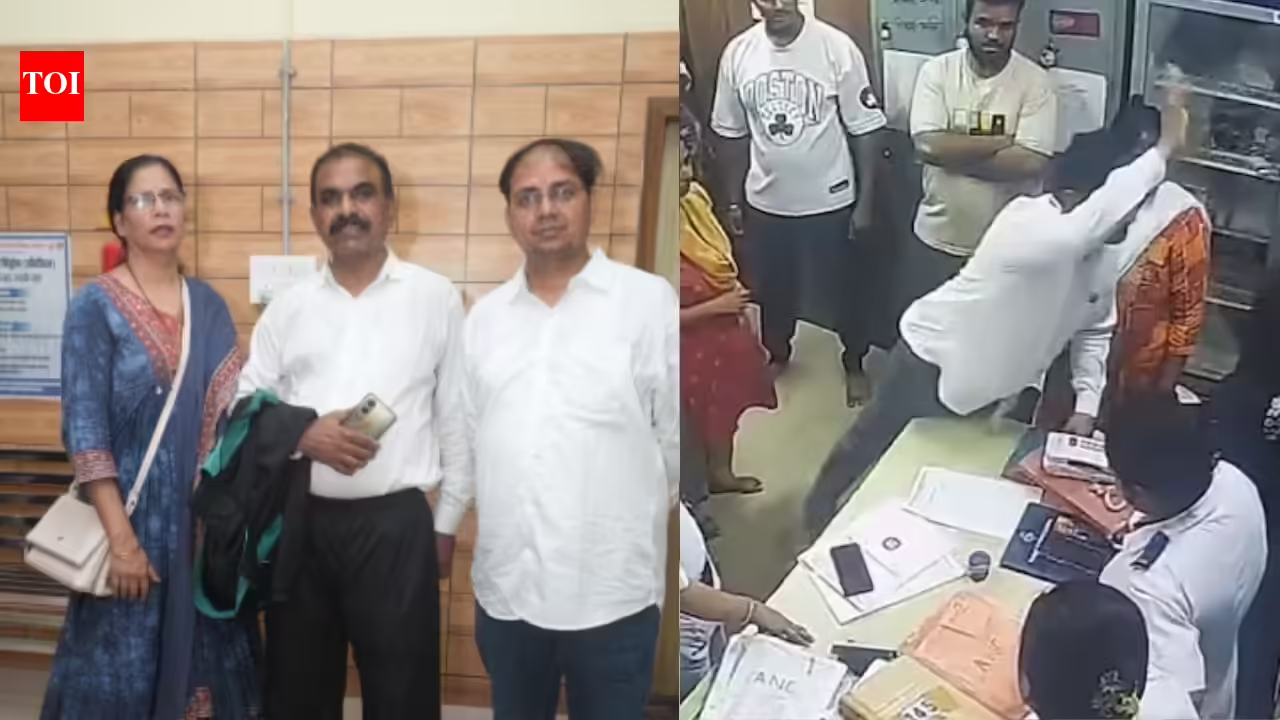
A young doctor is traumatized after an assault at Shastri Nagar Hospital. She is now considering quitting her job despite the main accused’s arrest. (Family of doctor, pic by Santsoh Gupta)

KALYAN: The family of a young doctor allegedly assaulted during the attack on medical staff at the KDMC-run Shastri Nagar Hospital in Dombivli has expressed concern over her safety, saying the incident has left her traumatized and considering quitting her job despite the arrest of the main accused.Dr. Shrushti Baviskar had joined the civic hospital barely a month ago and was serving in her first posting when the assault took place. Her family said the incident has shattered her confidence and raised fears about continuing at the hospital.Her father, Mahendra Baviskar, said the attack on doctors and nurses reflected a complete breakdown of law and order. \“A doctor, a nurse, and an aunt were attacked, and we are demanding justice; our doctors will continue this strike until justice is served. The doctors are currently under great stress. They are unwilling to work. They feel that someone might come and attack them—that anything could happen to them. That is why they are standing there in a state of terror. My daughter is scared too. She is not in a good state of mind; she is anxious. She is afraid to come here. She fears that someone might hit or harm her… We demand justice and that the accused receive the strictest possible punishment,” he said.Her mother, Sangeeta Baviskar, told TOI that her daughter remains traumatized and is now reconsidering her future at the hospital.“She is frightened after the assault. She keeps wondering whether she should continue working here because those who attacked her may target her again. This is her first job as a doctor, and she had joined KDMC only a month ago,” Sangeeta said.The assault at Shastri Nagar Hospital sparked outrage among the medical fraternity, with doctors across Kalyan-Dombivli suspending routine OPD services while continuing emergency care in protest.

Material Recycling Association of India urges PMO to scrap 2.5% import duty on aluminium scrap, says move will aid MSMEs and green manufacturing | Mumbai News

Material Recycling Association of India urges PMO to scrap 2.5% import duty on aluminium scrap, says move will aid MSMEs and green manufacturing
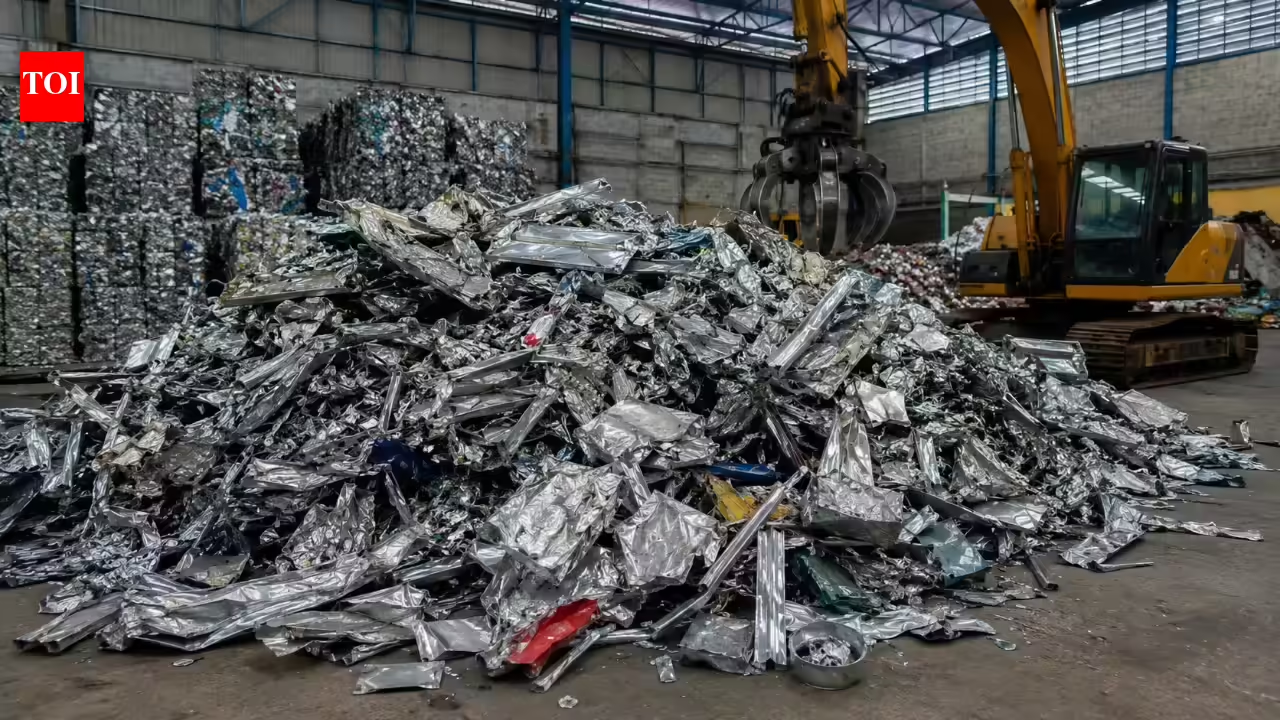
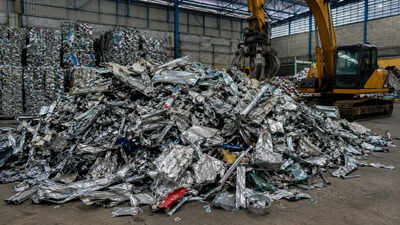
The Material Recycling Association of India seeks removal of import duty on aluminium scrap (AI-generated image used for representational purposes)

MUMBAI: The Material Recycling Association of India (MRAI) has urged the Prime Minister’s Office to abolish the 2.5% Basic Customs Duty (BCD) on imported aluminium scrap, arguing that the levy is raising input costs for recyclers and downstream manufacturers at a time when India depends on imports for nearly 80-85% of its aluminium scrap requirement.In a representation to the PMO, the industry body said removing the duty would strengthen thousands of micro, small and medium enterprises (MSMEs), improve the competitiveness of Indian manufacturers, create employment and support the country’s transition towards low-carbon manufacturing.MRAI said India’s secondary aluminium production has expanded from about 0.85 million tonnes in FY16 to nearly 2.2 million tonnes in FY26 and now accounts for around 35% of domestic aluminium consumption.The sector supports nearly seven lakh direct and indirect jobs, with women making up about 46% of the skilled workforce engaged in sorting, segregation and processing of scrap.The association pointed out that aluminium scrap remains the only major non-ferrous metal scrap attracting import duty, while copper, zinc and lead scrap have already been exempted.It also noted that countries such as Thailand, Malaysia, Indonesia, Japan and South Korea allow duty-free imports of aluminium scrap, giving their recycling industries a cost advantage over Indian manufacturers.MRAI president Sanjay Mehta said aluminium scrap should be treated as a strategic industrial raw material rather than as waste.According to him, removing the import duty would improve raw material security, lower production costs and help India emerge as a global hub for aluminium recycling and advanced material recovery.The association maintained that imported aluminium scrap undergoes processing, including sorting, smelting and alloying, to produce alloy ingots, billets, castings and other value-added products that comply with domestic BIS and international quality standards. These products are widely used by sectors such as automobiles, engineering, steel and packaging.Industry representatives also highlighted emerging supply risks. Senior vice-president Dhawal Shah said several aluminium scrap-exporting regions, including the European Union, the US, GCC countries and parts of Africa, are increasingly adopting policies to retain scrap for domestic value addition, making uninterrupted access to imported scrap critical for India’s manufacturing sector.MRAI said the ministry of mines had constituted a Joint Working Group comprising representatives of primary aluminium producers and the recycling industry to examine the issue.According to the association, the group, at its June 17 meeting, agreed that removal of the 2.5% duty should be considered in the larger national interest.The industry body argued that eliminating the duty would also help India achieve its environmental goals. It cited estimates that recycled aluminium consumes up to 95% less energy and generates up to 90% lower carbon dioxide emissions than primary aluminium production.It also referred to NITI Aayog’s aluminium sector decarbonisation roadmap, which projects secondary aluminium could account for nearly 45% of the country’s aluminium demand by 2028.Industry executives said retaining the duty creates an inverted duty structure, allowing competing countries to import aluminium scrap duty-free, undertake value addition and export finished aluminium products to India under preferential tariff arrangements.MRAI has sought a meeting with the PMO to present its recommendations, stating that removal of the duty on aluminium scrap (HSN 7602) would improve raw material availability, enhance MSME competitiveness, attract investment into recycling and strengthen India’s manufacturing and sustainability objectives.

Mumbai’s seven lakes gain over a month’s water supply in single day after heavy rainfall | Mumbai News

Mumbai's seven lakes gain over a month's water supply in single day after heavy rainfall
Mumbai’s water stock has significantly increased after recent heavy rainfall

MUMBAI: Continuous rainfall over the past few days has sharply improved Mumbai’s water reserves, with the seven lakes supplying the city witnessing a dramatic rise in storage from less than 10% on July 4 to 41.36% on Wednesday. Tulsi Lake also became the second lake to overflow this monsoon, spilling over at 11.43 pm on Tuesday.The total water stock in the seven reservoirs stood at 5.98 lakh million litres (41.36%) on Wednesday, up from 4.18 lakh million litres (28.92%) on Tuesday—a 12.44 percentage point jump in just 24 hours.Since every 1% of water storage is sufficient to meet Mumbai’s needs for nearly three days, the single-day increase is equivalent to more than a month’s water supply.However, despite the rapid improvement, civic officials said there is no immediate plan to withdraw the 10% water cut currently in force, as the lakes need to reach a combined storage of 14.47 lakh million litres by the end of September to comfortably meet the city’s annual demand.On the same date last year, the seven lakes held 10.30 lakh million litres (71.13%), while on July 8, 2024, storage stood at 2.71 lakh million litres (18.73%).Tulsi Lake, one of Mumbai’s smallest reservoirs located inside Sanjay Gandhi National Park, began overflowing late Tuesday night. Built in 1879, the lake has a live storage capacity of 8,046 million litres and supplies around 18 million litres of water daily. Overflow from Tulsi flows into Vihar Lake, which also began overflowing on Tuesday evening at 9 pm. Mumbai’s daily water demand is about 4,100 million litres (MLD).

Water storage over the past week

Date Water stock Storage
July 8 5.98 lakh million litres 41.36%
July 7 4.18 lakh million litres 28.92%
July 6 2.44 lakh million litres 16.92%
July 5 1.90 lakh million litres 13.19%
July 4 1.36 lakh million litres 9.41%
July 3 1.29 lakh million litres 8.93%
July 2 1.17 lakh million litres 8.12%
July 1 1.03 lakh million litres 7.18%

Water stock on the same date

Year Water stock Storage
2026 5.98 lakh million litres 41.36%
2025 10.30 lakh million litres 71.13%
2024 2.71 lakh million litres 18.73%
IIT Mandi builds landslide warning system for Himalayas | Mumbai News

IIT Mandi builds landslide warning system for Himalayas
IIT Mandi researchers have developed an early warning system for landslides.

MANDI: With climate change fuelling a rise in extreme weather events and slope failures, IIT Mandi researchers have developed an operational landslide early warning system for the Indian Himalayan Region, one of the country’s most landslide-prone belts.The Landslide Early Warning System, or LEWS, has been developed by a team led by Prof Dericks Praise Shukla of the School of Civil and Environmental Engineering, IIT Mandi, along with research scholars Ankit Singh and Nitesh Dhiman.The system uses rainfall data, terrain susceptibility and machine-learning models to forecast the probability of rainfall-induced landslides. It issues daily warnings through a web-based platform, giving authorities and disaster management agencies advanced information on high-risk locations.“At the very onset of the monsoon, our Landslide Early Warning System provides daily landslide forecasts through a web-based application. The system is designed to help identify high-risk areas in advance, enabling authorities and communities to undertake timely evacuation and disaster preparedness measures,” said Prof Shukla.He said satellite-based early warning systems are among the most effective investments in disaster risk reduction as they turn scientific data into timely, actionable decisions. A region-wide landslide forecasting platform, he added, can strengthen preparedness, speed up response and improve coordination among disaster management agencies, especially during the monsoon when landslide risk peaks.Unlike several landslide warning systems in India that are limited by geography, IIT Mandi’s LEWS covers the Indian Himalayan Region, making it one of the most extensive systems of its kind in the country.The research team developed the platform through a multi-stage process. First, nearly 26,000 landslides from the Geological Survey of India database were used to prepare a landslide susceptibility map. Multiple landslide-triggering factors were then processed through ensemble machine-learning models.The team next built the P-RIL, or Probability of Rainfall-Induced Landslides, model using data from the NASA Global Landslide Catalogue and seven rainfall parameters drawn from IMERG satellite datasets. Since rainfall conditions change continuously, the model uses rainfall data from the previous 15 days, making it dynamic rather than static.The final daily forecast is generated by combining the static susceptibility map with the dynamic P-RIL model through a probabilistic approach. To make the output easier for users to interpret, the forecast is displayed in percentile-based risk categories.For wider access, the IIT Mandi team has created a Google Earth Engine-based web portal where users can view the landslide forecast for the current day and the previous three days. The portal also allows users to download PDF bulletins and receive WhatsApp alerts for selected locations.Researchers said the system could significantly improve disaster preparedness in the Himalayan region by issuing timely, location-specific warnings and helping reduce loss of life, damage to property and economic disruption.