
Three injured after fight over train seat in Mumbai local train; cross FIRs registered | Mumbai News
Three injured after fight over train seat in Mumbai local train; cross FIRs registered

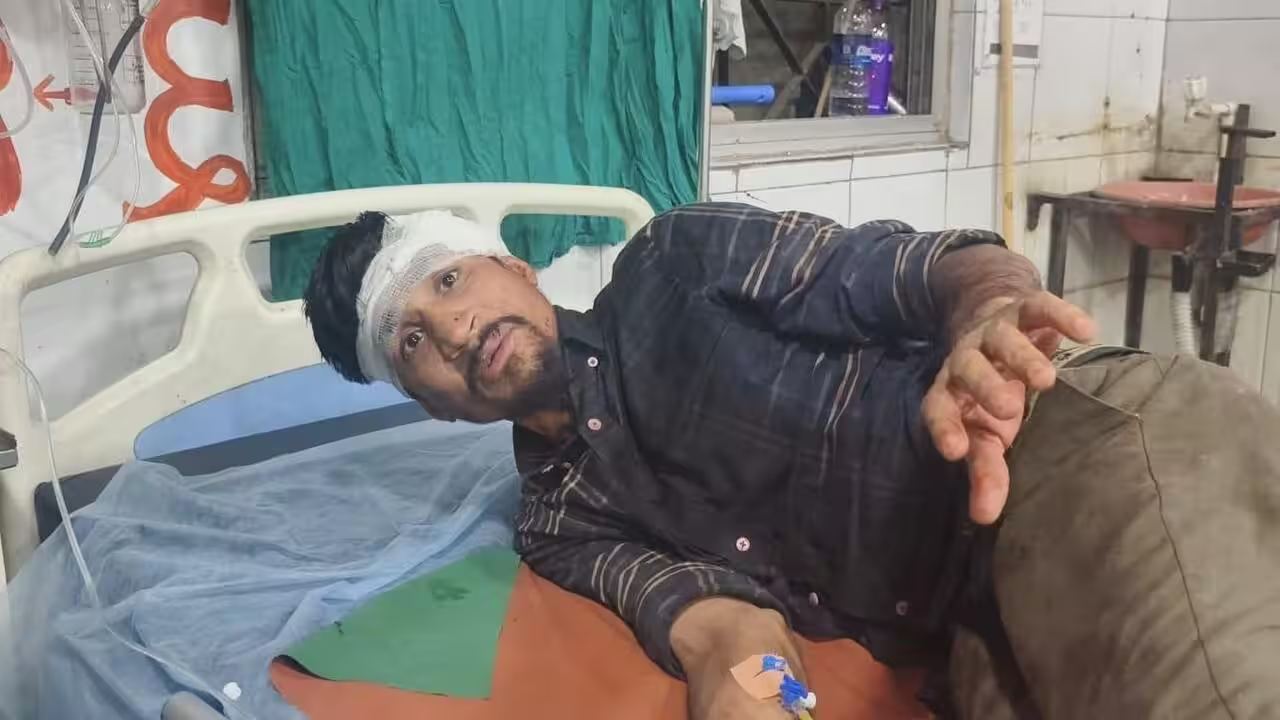
Kalyan: Days after a fatal stabbing over a seat dispute in a Mumbai local train shocked commuters, another altercation over a seat turned violent late on Wednesday, leaving three passengers injured. The Govt Railway Police (GRP) registered cross-complaints against both groups and launched an investigation.The Dombivli GRP stated the incident took place in a suburban train travelling from CST towards Ambernath.Pritesh Kanojia, 21, a resident of Titwala who works for a private company in Mumbai, boarded the train at Ghatkopar and was headed to Kalyan, from where he planned to change trains for Titwala.Police said by the time the train reached Diva, it became relatively empty and Kanojia lay down on a seat and fell asleep. Soon after, Raju Waghe, 19, and Sahil Khandare, 19, both residents of Dombivli and employed at a garage, boarded the train to travel to Kalyan.According to police, the duo woke up Kanojia and objected to him sleeping on the seat, triggering an argument that quickly escalated into a physical fight. During the scuffle, Waghe, who was allegedly wearing a kada (bracelet), struck Kanojia on the head, causing injuries.Recounting the incident, Kanojia alleged that after assaulting him, one of the accused told the other that they had “beaten him enough” and should leave. “I caught hold of one of their collars, after which they allegedly tried to push me out of the train at Thakurli. When the train stopped at Thakurli station, four to five men entered the coach and assaulted both of them,” Kanojia said.When all three reached Kalyan railway station, the GRP intervened and shifted them to Rukminibai Hospital. Considering the nature of their injuries, they later were referred to Sion Hospital in Mumbai, where they are undergoing treatment.Initially, Dombivli GRP registered an FIR based on Kanojia’s complaint against Waghe and Khandare. However, after recording statements and examining the sequence of events, police also registered a countercase based on Waghe and Khandare’s complaint.“Preliminary investigation suggests that after Kanojia was assaulted, a few persons believed to be known to him allegedly attacked Waghe and Khandare. Both sides sustained injuries, and therefore cross-cases have been registered. The exact sequence of events and the identity of those who assaulted the two accused need to be verified,” said Balasaheb Thorat, senior police inspector, Dombivli GRP.Police said all three injured persons will be arrested after they are discharged from hospital. Investigators also are probing whether the men who allegedly assaulted Waghe and Khandare were actually known to Kanojia or were fellow passengers who intervened after witnessing the incident.Officials added that the train was not overcrowded at the time of the incident, making the violent confrontation over a seat particularly avoidable. The investigation is underway.

Mumbai’s Ghetto Bar shut for 15 days after excise raid finds stock mismatch, layout violations | Mumbai News

Mumbai's Ghetto Bar shut for 15 days after excise raid finds stock mismatch, layout violations
Mumbai City collector suspended The Ghetto Restaurant and Bar’s liquor license for 15 days.

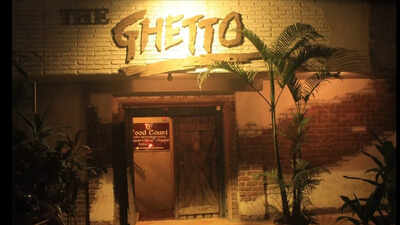
MUMBAI: In a major crackdown on violations by commercial establishments in South Mumbai, the office of the collector (state excise), Mumbai City, has suspended the FL-3 liquor licence of the popular ‘The Ghetto Restaurant and Bar’ located at Mahalaxmi for a period of 15 days.The suspension order, issued by Mumbai City collector Anchal Goyal, comes in the wake of a surprise inspection that revealed stark discrepancies in liquor stock, unauthorised structural alterations to the licensed premises, and disturbances caused by crowds outside the venue.

Surprise raid exposes violations

According to the official order, a surprise inspection was conducted on March 4, 2026, by the deputy inspector of state excise (C-2 Division, Mumbai City) at the establishment, situated at Building No. 30, Bhulabhai Desai Road, Mahalaxmi.During the raid, the authorities observed multiple glaring irregularities:

  • Unlicensed Drinking: Customers were found consuming alcohol without valid individual permits.
  • Structural Alterations: The physical layout of the restaurant did not match the original government-approved maps and floor plans.
  • Stock Mismatches: Physical verification of the liquor on-site revealed significant discrepancies when cross-checked with the establishment’s official daily registers. Discrepancies were noted in foreign liquor, Indian-Made Foreign Liquor (IMFL), and country liquor stock.

Public nuisance and neighborhood complaints

Following the initial raid, multiple subsequent special inspections were carried out by various excise teams, including the flying squad and the C-Division team, between May and June 2026 after receiving repetitive complaints against the establishment.The subsequent investigation reports highlighted severe civic and public order issues surrounding the restobar:

  • Loud Music: The establishment was found playing loud Western music, drawing a massive influx of young crowds, especially young women.
  • Public Nuisance and Smoking: Large groups of youths routinely gathered outside the premises, loitering and smoking on the pavements.
  • Traffic Bottlenecks: Scores of taxi drivers routinely lined up outside the venue waiting for patrons, blocking the main road and causing severe traffic snarls in the upscale neighborhood.

The legal action

The excise department noted that changing the layout of a licensed premises without prior official permission is a critical hazard that risks public safety and potential loss of life in case of fire or any other disaster.While the licensee submitted a written clarification on April 25, 2026, admitting to the procedural lapses and pleading for a lenient fine instead of harsh action, the Collector rejected the plea given the gravity and repetition of the offences.“The establishment has blatantly violated Rule 57(1)(a), 53(1), and 58 of the Mumbai Foreign Liquor Rules, 1953, alongside FL-3 licence conditions 6(b) and 9,” the order stated.Invoking powers under Sections 54 and 56 of the Maharashtra Prohibition Act, 1949, collector Anchal Goyal ordered the immediate suspension of the establishment’s business operations for 15 days.The state excise C-Division inspector has been directed to strictly enforce the shutdown and submit a compliance report immediately.

BMC issues safety protocol for motorists after recent car blaze | Mumbai News

BMC issues safety protocol for motorists after recent car blaze

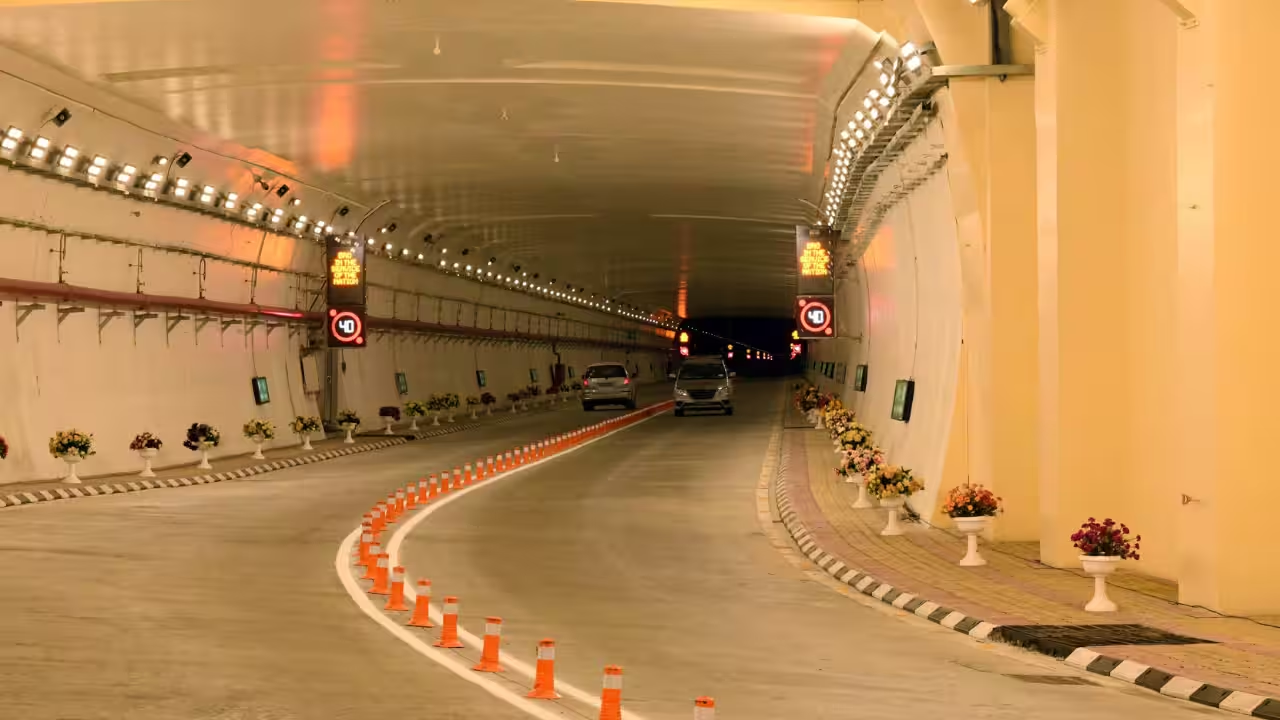
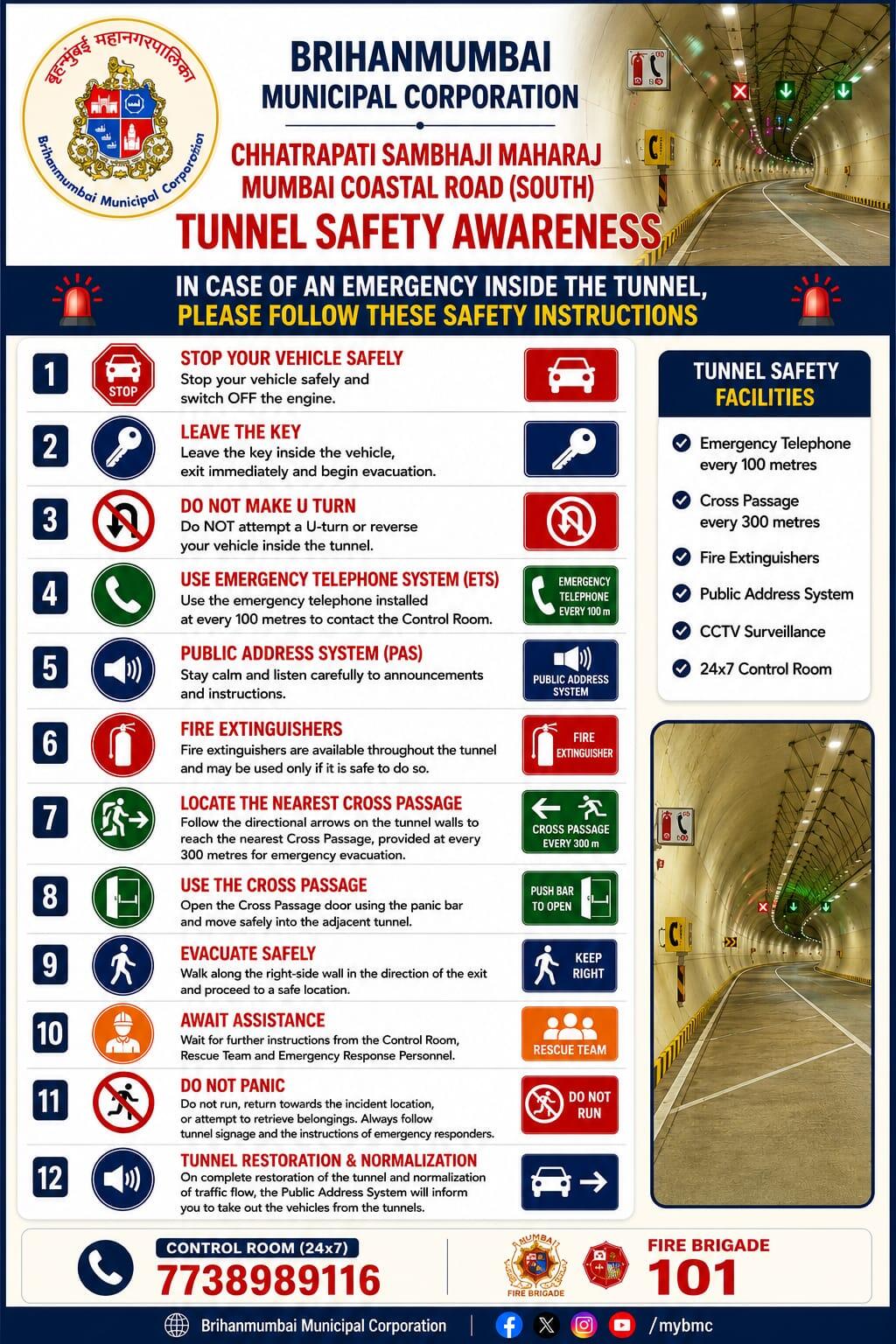
MUMBAI: In the wake of Wednesday’s car fire inside the northbound tunnel of the Mumbai Coastal Road, the BMC has reiterated the emergency safety protocol that motorists must follow in the event of an incident inside the tunnel. The civic body said the tunnel is equipped with multiple safety systems, including emergency telephones, a public address system, fire extinguishers, and emergency cross passages to facilitate safe evacuation during emergencies.

-

Under the protocol, motorists are advised to stop their vehicles safely, switch off the engine, and leave the keys inside before evacuating. Drivers have been specifically instructed not to attempt a U-turn or reverse their vehicles inside the tunnel, as doing so could obstruct emergency response operations and endanger other commuters. In case of an emergency, motorists can use the Emergency Telephone System (ETS), installed at intervals of 100 metres, to contact the tunnel control room. Authorities have also urged commuters to remain calm and listen carefully to announcements made through the tunnel’s Public Address System (PAS), which provides real-time instructions during emergencies. Fire extinguishers have been installed throughout the tunnel and may be used only if it is safe to do so. For evacuation, commuters are advised to follow directional arrows on the tunnel walls to the nearest cross passage, located every 300 metres. The doors can be opened using panic bars, allowing people to move into the adjacent tunnel and proceed towards a safe exit. The advisory also instructs evacuees to walk along the right-side wall towards the exit, await directions from the control room and rescue teams, and refrain from returning to the incident site or attempting to retrieve personal belongings. Officials said that once the emergency has been resolved and traffic movement is restored, the Public Address System will announce when motorists can return to their vehicles and exit the tunnel.

8-year-old schoolgirl injured in hit-and-run by motorcyclist riding in the wrong direction in Mumbai | Mumbai News

8-year-old schoolgirl injured in hit-and-run by motorcyclist riding in the wrong direction in Mumbai
Eight-year-old girl suffered serious injuries after a motorcyclist hit her.

Mumbai: An eight-year-old schoolgirl suffered serious injuries after being hit by a motorcyclist riding in the wrong direction at Jogeshwari West on Wednesday. Amboli police has registered a case against an unknown person for rash driving.Around 9.40 am on July 15, Reva Pawar, 8, was walking down to her tuitions with her mother, Nidhi. While they were crossing the road near the divider, opposite Cafe Arfa, a motorcycle riding in the wrong direction hit Reva. As a result, she left her mother’s hand and got dragged onto the street. She hurt her head, hands, legs and waist and lost consciousness.Meanwhile the motorcyclist that had hit her also skidded and fell. But he and his pillion got back on the two-wheeler and fled without taking Reva to the hospital. Nidhi told the police that the motorcyclist was between 25 and 30 years of age and dressed in a red shirt. Police have found CCTV grabs of the motorcyclist and are looking for him.

8-year-old schoolgirl injured in hit-and-run by motorcyclist riding in the wrong direction in Mumbai | Mumbai News

8-year-old schoolgirl injured in hit-and-run by motorcyclist riding in the wrong direction in Mumbai
Eight-year-old girl suffered serious injuries after a motorcyclist hit her.

Mumbai: An eight-year-old schoolgirl suffered serious injuries after being hit by a motorcyclist riding in the wrong direction at Jogeshwari West on Wednesday. Amboli police has registered a case against an unknown person for rash driving.Around 9.40 am on July 15, Reva Pawar, 8, was walking down to her tuitions with her mother, Nidhi. While they were crossing the road near the divider, opposite Cafe Arfa, a motorcycle riding in the wrong direction hit Reva. As a result, she left her mother’s hand and got dragged onto the street. She hurt her head, hands, legs and waist and lost consciousness.Meanwhile the motorcyclist that had hit her also skidded and fell. But he and his pillion got back on the two-wheeler and fled without taking Reva to the hospital. Nidhi told the police that the motorcyclist was between 25 and 30 years of age and dressed in a red shirt. Police have found CCTV grabs of the motorcyclist and are looking for him.

Navi Mumbai airport to fill gaps in city’s direct connectivity across the globe | Mumbai News

Navi Mumbai airport to fill gaps in city’s direct connectivity across the globe
Navi Mumbai International Airport formally launched its overseas operations on Wednesday

Mumbai: Mumbai’s long-standing disadvantage in international air connectivity compared with Delhi is expected to ease with the opening of Navi Mumbai International Airport’s international terminal, although industry executives say that a meaningful expansion of overseas routes will take time.While Delhi offers direct flights to around 70 international destinations, Mumbai’s Chhatrapati Shivaji Maharaj International airport has non-stop connectivity to about 50 foreign cities, said a source. Flying from Mumbai then is no different than flying from, say, Mangalore or Madurai, when it comes to cities like Beijing, Guangzhou, Toronto, Milan, Sydney, Warsaw, Helsinki, Moscow, Birmingham, Manila, Phnom Penh (Cambodia), Krabi, Bishkek (Kyrgyzstan), Dushanbe (Tajikistan), Ashgabat (Turkmenistan), Namangan (Uzbekistan), Yangon (Myanmar) or Bagdad. The passenger from Mumbai has to transit either from Delhi or a foreign airport.“The gap is because of a number of reasons, slot constraint at the congested Mumbai airport being one of them. Factors like bilateral air service agreements, which cap the number of flights airlines can operate between countries and aircraft availability have also influenced network planning, often making Delhi the preferred gateway for international expansion,” said an airline official, adding that the addition of capacity at Navi Mumbai removes at least the slot constraint.However, passengers should not expect an immediate explosion of new long-haul services. “Elevated crude oil prices have increased operating costs, while airspace restrictions arising from ongoing conflicts have forced airlines to take longer routings on several international sectors, making new routes more expensive and operationally challenging. Airlines are likely to expand cautiously, prioritising routes with proven demand and sustainable yields before venturing into thinner markets,” said the official.Over the longer term, aviation executives expect Navi Mumbai to strengthen the Mumbai Metropolitan Region’s (MMR’s) position as an international gateway. “As airlines receive more aircraft, operating conditions improve and bilateral rights are expanded, the MMR is expected to attract a broader network of non-stop international services, reducing dependence on Delhi and foreign hubs for global connectivity,” the official said.Mumbai’s major loss in terms of international connectivity happened over 15 years ago when Air India moved its base from the city to Delhi and stopped its non-stop flights from Mumbai to Singapore, Kuala Lumpur, Frankfurt, Paris, Tokyo, Osaka, Hong Kong, Chicago, New York, Nairobi, Durban, and Dar es Salaam. “Foreign airlines continued to operate some of these routes and in the following years, Air India and other carriers restored some of these routes, but the gap hasn’t yet been closed,” he added.

Bungalow jostle in Mahayuti: Legislative Council dy chief loses two allotments, left with Churchgate flat | Mumbai News

Bungalow jostle in Mahayuti: Legislative  Council dy chief loses two allotments, left with Churchgate flat
Sachin Ahir lost Raigad bungalow allotment as former minister and current state BJP chief Ravindra Chavan continues to occupy it

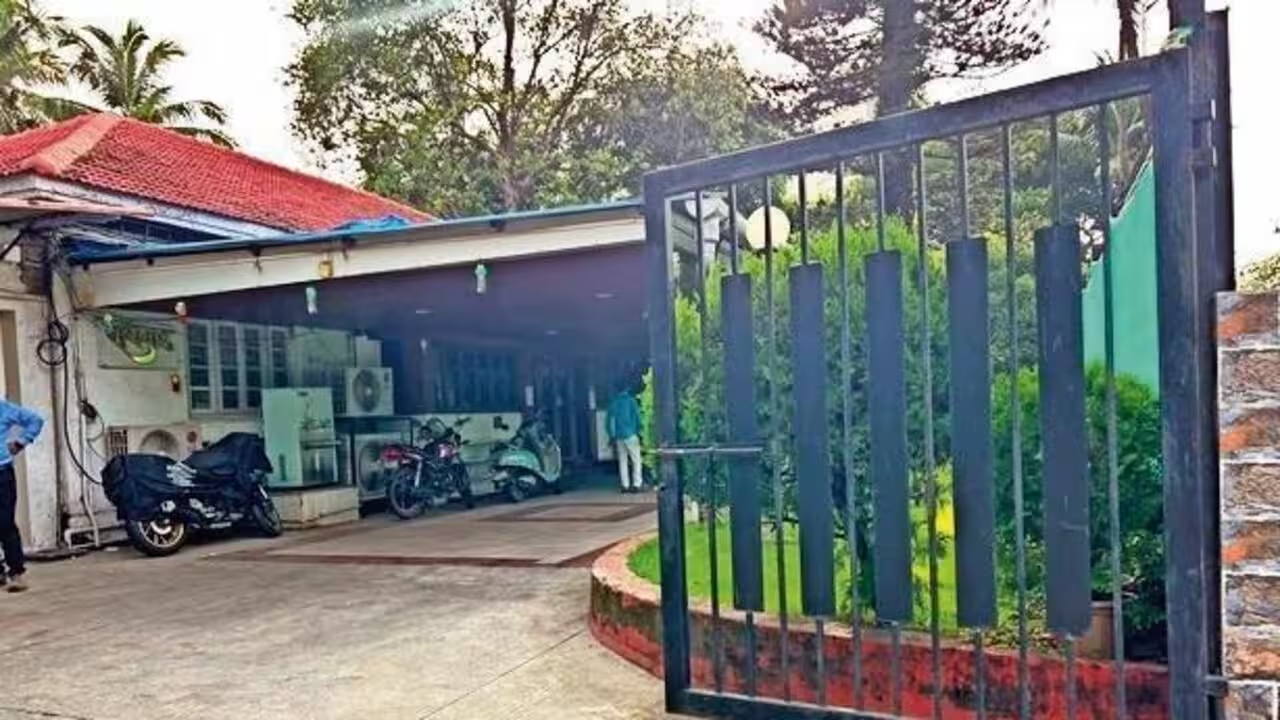
Mumbai: A scramble has broken out in the Mahayuti over allotment of bungalows to newly elected Legislative Council deputy chairperson Sachin Ahir. Ahir, who recently joined the Eknath Shinde-led Shiv Sena, was allotted the Raigad (A-6) bungalow opposite Mantralaya, but the order was cancelled, and Ahir was instead allotted a flat in Suniti Building because Raigad is still being used by former minister Ravindra Chavan, who is now the state BJP president. While Chavan was PWD minister in the previous Mahayuti govt, he has not been a minister in the current govt since 2024. After getting elected, Ahir was eyeing the Purandar (C-3) bungalow, which was occupied by his predecessor Sena MLC Neelam Gorhe, but before Ahir could take over, deputy speaker Anna Bansode of the NCP staked claim over Purandar and got it allotted for himself. With no bungalows left, the state General Administration Department (GAD) allotted Ahir a flat. Ahir has so far not moved into the flat and is likely to take up the issue with DCM Shinde.“The state govt has decided to allot the official residence Suniti-9, Churchgate to Sachin Ahir, deputy chairperson, Maharashtra Legislative Council. Therefore, the allotment of official residence A-6 (Raigad) on Madam Cama Marg allotted to him is now being cancelled,” a Govt Resolution (GR) issued last week stated.“The state has decided to allot Bungalow C-3 (Purandar) to Anna Bansode, deputy speaker, Maharashtra Legislative Assembly. Therefore, the allotment of residence Suniti-9 at Churchgate made to him is now being cancelled,” another GR read.Officials said Chavan was still occupying the Raigad bungalow and uses it to hold key meetings. He was first allotted the bungalow in Aug 2022 when he became a Minister in the previous MahaYuti govt.“After Sachin Ahir was elected deputy chairperson, he was allotted the Raigad bungalow, but Ravindra Chavan was already occupying it. We were told that Chavan hasn’t left the bungalow even after he was excluded from the cabinet and made state BJP president. By the time Ahir was elected deputy chairperson of the Legislative Council, deputy speaker of the Assembly Anna Bansode had already got the Purandar bungalow allotted for himself. Ideally, since it was occupied by the previous deputy chairperson Neelam Gorhe, it should have been allotted to Sachin Ahir,” a Sena functionary said.Chavan did not respond to calls and text messages from TOI. GAD secretary Pankaj Kumar, too, did not respond to TOI’s queries.The deputy chairperson traditionally holds a rank equivalent to a minister of state. However, the specific rank can be elevated. For example, former deputy chairperson Neelam Gorhe was elevated to the higher rank of cabinet minister

Pregnant woman survives severe allergic shock after injection in Navi Mumbai | Mumbai News

Pregnant woman survives severe allergic shock after injection in Navi Mumbai

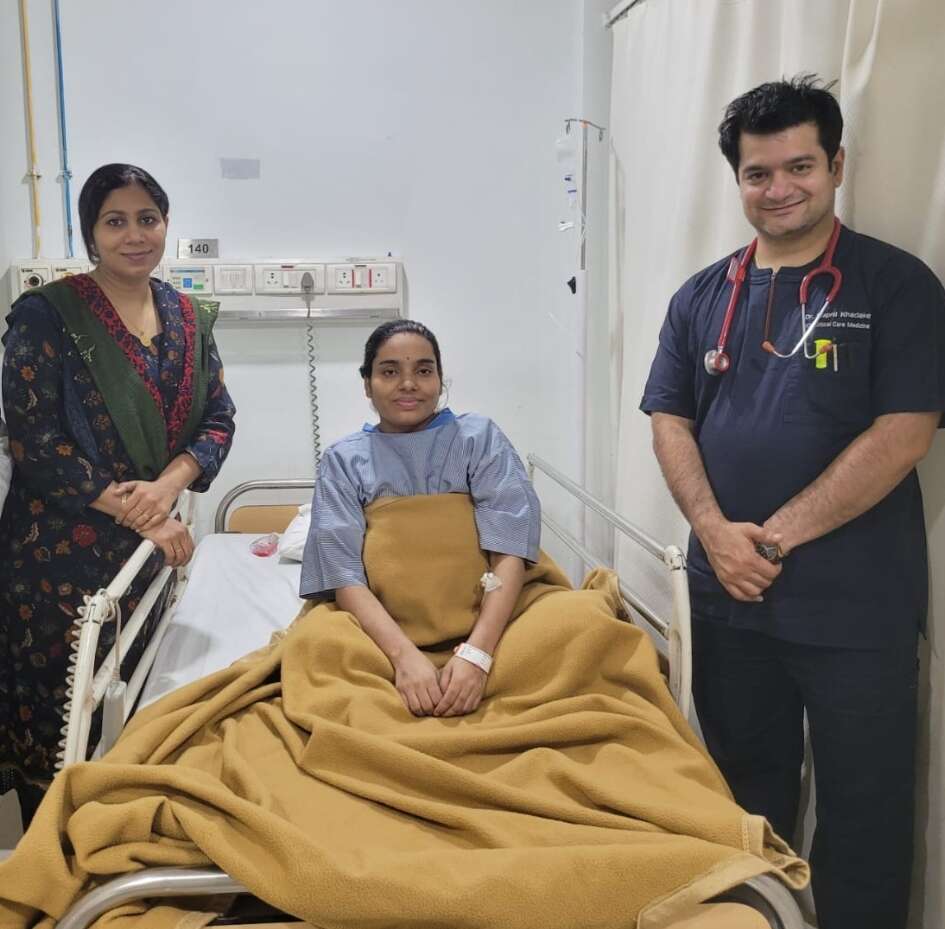
Navi Mumbai: An eight-month pregnant woman, Richa Mishra (26), who was shifted to Fortis Hospital, Belapur, in critical condition after she was administered a standard pre-delivery injection at NMMC hospital in Airoli on July 1, has recovered after timely multi-disciplinary care by the doctors at Fortis Hospital, and even her foetus is safe. She was discharged from the hospital on July 13, reports George Mendonca.Unfortunately, another 8-month pregnant woman, Sonam Dongre (23) had died along with her unborn baby, allegedly due to medical negligence by the medical staff at NMMC’s Rajmata Jijau hospital in Airoli on July 1, when she was administered a pre-delivery injection.A spokesperson of Fortis Hospital said, “The 34-week pregnant woman Richa Mishra recovered from life-threatening Anaphylactic shock, following the administration of antenatal injection at NMMC hospital, which occurs within seconds or minutes of exposure to an allergen. It causes blood pressure to drop dangerously low and airways to narrow, preventing oxygen from reaching vital organs. The patient was brought to the hospital in critical condition on ventilatory support; coordinated ICU and obstetric care helped stabilise both the mother and the foetus.Dr Hina Shaikh, Consultant – Gynaecology and Obstetrics at Fortis Hospital, said, “When the patient Richa Mishra was brought to us in a critical condition, our immediate priority was to stabilise the mother while continuously assessing the condition of the foetus. Serial foetal monitoring, ultrasonography, Doppler studies and non-stress tests remained reassuring, which allowed us to continue the pregnancy under close observation instead of proceeding with an emergency delivery. Over the next few days, her condition steadily improved. She became more alert, her blood pressure and circulation stabilised, and the medicines supporting her blood pressure were gradually reduced. As her breathing improved, the medical team slowly reduced ventilator support. She was then able to maintain normal oxygen levels, first with minimal oxygen support and later while breathing comfortably on her own. She was also started on gentle movement, chest physiotherapy, breathing exercises and oral food. Her vital signs and test results continued to improve, while regular monitoring showed that the foetus remained stable with no signs of distress. On July 8th, 2026, she was shifted from the ICU to the ward in a conscious and stable condition, breathing normally without a ventilator or blood-pressure support.Dr Khan added, “She has been advised to continue regular pregnancy-related check-ups and close monitoring of the baby, with delivery expected in the next two to three weeks unless an earlier delivery becomes medically necessary. Her suspected allergy to dexamethasone has also been recorded, and the family has been advised to avoid the medicine in the future.”

edb554c9-dc7e-4243-8b95-cf93740aea16_Screenshot_2026-07-15-21-59-37-06_f541918c7893c52dbd1ee5d319333948.jpg

Attachment

Mumbai court rejects closure report in sexual harassment case against college trustee, orders fresh probe | Mumbai News

Mumbai court rejects closure report in sexual harassment case against college trustee, orders fresh probe
In her complaint, the principal had accused the trustee of subjecting her to physical, mental, and sexual harassment

Mumbai: Observing that the police had filed the closure report without properly examining the sexual harassment allegations made by the principal against a trustee of a city-based school and junior college, a magistrate’s court has dismissed the B Summary Report and directed the investigating officer to conduct a fresh probe.B Summary Report is a final closure report filed by police before a magistrate when they find a complaint to be maliciously false or lacking prima facie evidence.D S Sharma, 52nd Kurla Metropolitan Magistrate, passed the order on July 7.In her complaint, the principal had accused the trustee of subjecting her to physical, mental, and sexual harassment. The alleged harassment began a few months after she joined the institute in September 2017. She alleged that the trustee inappropriately touched her in his office, repeatedly sent her objectionable messages, sought sexual favours, and, on one occasion, allegedly took her to his residence instead of dropping her home and behaved inappropriately.After investigation, RCF police submitted a B Summary Report, stating that the complaint was “false and bogus”. The complainant opposed the closure report, arguing that the probe was incomplete and that the investigating officer had improperly relied on the accused’s defence. Her counsel, Devendra Shukla, also contended that the inquiry conducted against her by the school administration itself was illegal as it had not received the mandatory approval of the education department, and therefore could not be relied upon to discredit her allegations.The magistrate noted that documents on record indicated that the education department had neither granted permission for a probe nor constituted any inquiry committee against the complainant. It further held that a departmental inquiry in a service dispute was civil in nature and had no bearing on the criminal investigation.The court also reiterated the settled legal position that in cases involving sexual offences against women, a conviction can be based solely on the testimony of the victim, and therefore the investigating officer was required to record strong reasons before concluding that the complaint was false.

24 hours to live, no matching donor: Mother’s rare liver donation saves 26-year-old | Mumbai News

24 hours to live, no matching donor: Mother’s rare liver donation saves 26-year-old

Mumbai: Just three weeks ago, 26-year-old Kurla resident Vinu (name changed) was a healthy young man who believed liver failure was something that happened to others. Careful about what he ate and drank, he had no reason to imagine that a casual lunch with office colleagues would trigger a chain of events that would leave him with barely 24 to 36 hours to live.What began as stomach pain soon turned into jaundice. Within a week, after treatment at two local nursing homes, Vinu was referred to Nanavati Max Super Speciality Hospital in Juhu, where doctors diagnosed hyperacute liver failure. An emergency liver transplant was his only chance of survival.Liver transplant surgeon Dr Gaurav Chaubal said, “Vinu came to us around 8 pm on June 25, and his parameters were quite critical. A transplant was the only option.”Although Dr Chaubal has performed more than 50 ABO-incompatible liver transplants, they were all planned weeks in advance. “We need to prepare the donor with plasma donation so that there is no rejection of the foreign organ when transplanted,” he said.With no compatible donor and little time, the team proceeded with Ritu as the donor after performing plasmapheresis (plasma exchange) before and after the transplant. “This is perhaps the first time in Western India when an incompatible liver transplant was carried out within a 24-hour span,” Dr Chaubal said, adding that a similar case was earlier reported from Chennai.“For a mother, it is an easy decision. She will help out her child without any questions asked,” said Ritu, who donated part of her liver. She was discharged on July 2 and returned to the hospital on Tuesday night to take her son home.Dr Chaubal said Vinu was the third patient in his 20s to undergo an emergency liver transplant at Nanavati in June-July. “All three had fulminant liver failure. Vinu and the first patient had hepatitis A infection, while the second patient had autoimmune hepatitis,” he said.Doctors said the case highlights that hepatitis A, though usually self-limiting, can occasionally become life-threatening.“Hepatitis A infections are usually self-limiting in 95% of the cases. However, in 5% of the cases, it could lead to emergencies,” said independent hepatologist Dr Chetan Kalal, who was not involved in Vinu’s treatment.He cautioned against delaying medical care or relying on unproven remedies after jaundice. “In many cases, patients and their families prefer alternative treatment the minute they hear jaundice. The patient is given a calorie-deficit diet, thinking the liver cannot function, but this is precisely the time when liver needs to be maintained,” he said. “The use of non-standard drugs in many cases worsens the liver failure,” Dr Kalal added.