Central Railway to close Thane’s Kalwa gate to curb unsafe, unauthorised train boarding | Mumbai News

Central Railway to close Thane's Kalwa gate to curb unsafe, unauthorised train boarding
Central Railway has announced the permanent closure of a gate adjacent to the Kalwa Car Shed

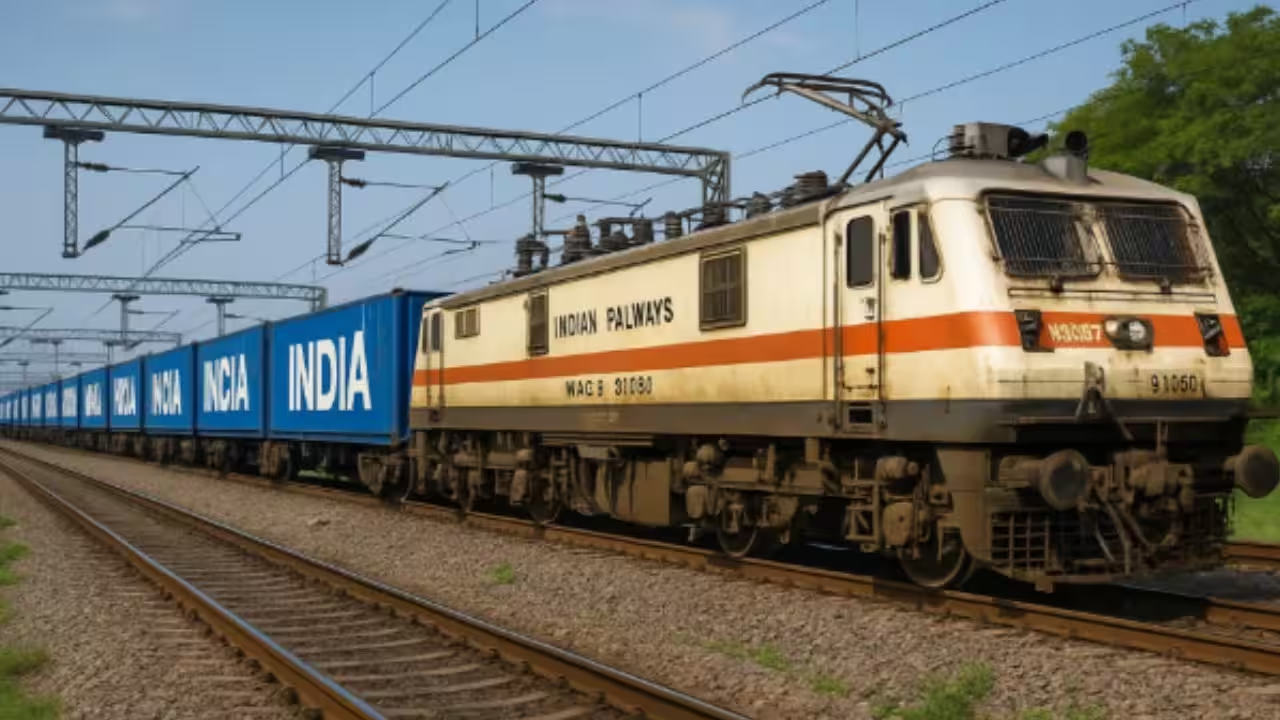
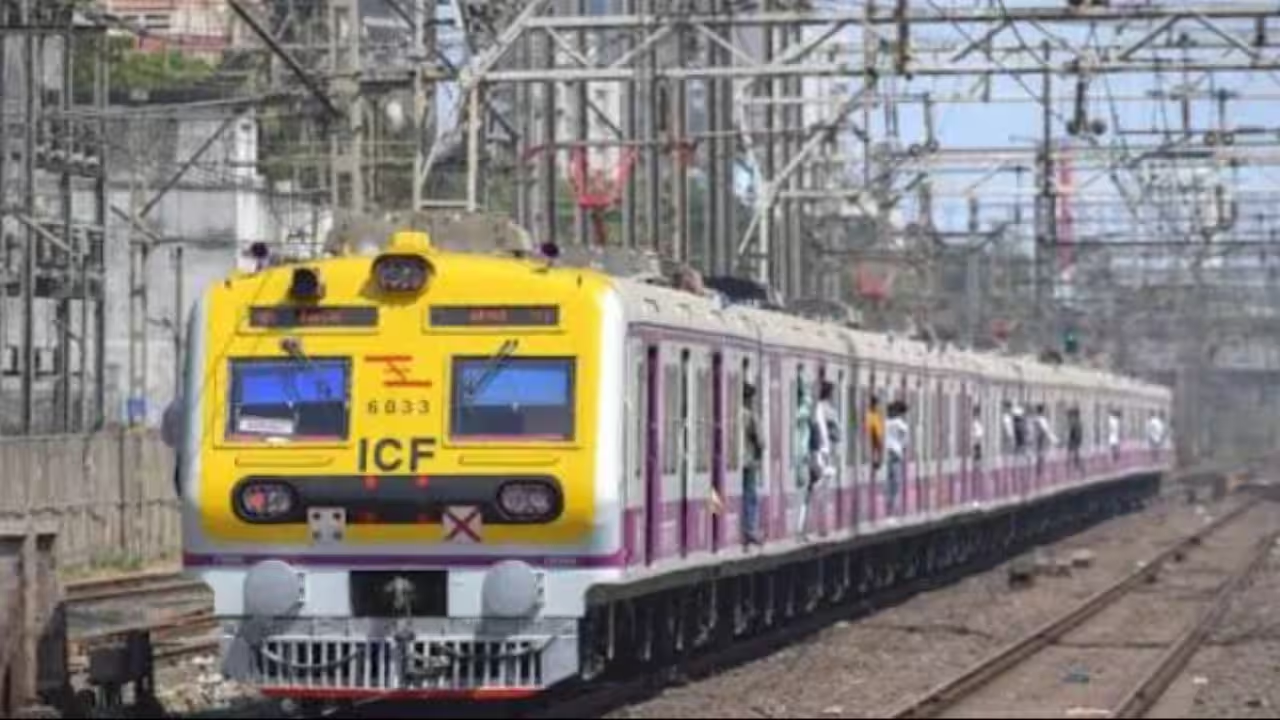
MUMBAI: Central Railway has decided to permanently close a gate near the Kalwa Car Shed after repeated incidents of passengers attempting to board empty local train rakes from an unauthorized location, posing a serious risk to life and safety.Railway officials observed that between 8 am and 8.30 am, commuters routinely trespass through the main entry gate near the shed and try to board an empty rake halted at a signal outside the yard.Authorities warned that the practice is extremely dangerous, as passengers could suffer serious injuries or fatalities if the train begins moving after receiving a signal.To curb the risk, Central Railway will permanently close the gate in coordination with other departments.Officials are also examining the possibility of eliminating the halt of empty rakes at the signal, subject to operational and safety considerations.The Railway Protection Force (RPF) has been deployed at the site to prevent trespassing and ensure commuter safety.Central Railway stressed that boarding or alighting from trains in car sheds, yards, signal locations or any non-passenger area is a punishable offence under the Railways Act. Strict legal action will be initiated against offenders.The railway administration has appealed to passengers to board and deboard trains only from designated station platforms and cooperate with safety regulations.“Passenger safety is of paramount importance,” officials said, urging commuters to avoid unauthorized boarding practices.Passengers requiring assistance can contact the Railway Helpline on 139 or approach the nearest on-duty railway staff.

BMC sets March 2027 deadline for Ghatkopar STP, asks officials to step up pace | Mumbai News

BMC sets March 2027 deadline for Ghatkopar STP, asks officials to step up pace
The project has a four-year construction period followed by 15 years of operation and maintenance.

MUMBAI: BMC has set a March 2027 deadline for completing the 337 MLD Sewage Treatment Plant (STP) at Ghatkopar and directed officials to deploy additional manpower and speed up construction to meet the target.During a site inspection on Saturday, Additional Municipal Commissioner (Projects) Abhijit Bangar instructed officials to make optimum use of the current break in the monsoon to accelerate work and undertake multiple activities simultaneously. “Micro-planning is essential to ensure the project is completed within the stipulated time. If executed in a planned manner, it may even be possible to complete the project ahead of schedule,” he said.The Ghatkopar STP, being developed under the Mumbai Sewage Disposal Project, will have the capacity to treat 337 million litres of sewage a day (MLD) using Sequential Batch Reactor (SBR) technology. Of the total sewage treated, 170 MLD will undergo tertiary treatment before being discharged, significantly improving the quality of wastewater entering the sea.Bangar also reviewed the adjoining Ghatkopar pumping station upgrade, where civil and electrical works have achieved 85% physical progress. The project includes repairs to the pumping station building, replacement of mechanical equipment, laying of rising mains and installation of higher-capacity pumps. Officials have been directed to complete the pumping station by December 2026.The civic administration said the new STP is expected to improve coastal water quality and marine biodiversity while benefiting residents of Ghatkopar, Govandi, Mankhurd and Chembur.The project, however, poses significant engineering challenges as the existing sewage treatment plant must remain operational while the new facility is constructed. Before the new plant is commissioned, sludge accumulated in the existing treatment ponds has to be removed, treated and scientifically disposed of. The project site is also bounded by a creek, forest land and the eco-sensitive Thane Creek Flamingo Sanctuary, requiring careful execution.The contract for the project was awarded to JVPR Engineers Ltd in May 2022, with work commencing in July that year. The project has a four-year construction period followed by 15 years of operation and maintenance. SFC Environmental Technologies Pvt Ltd is the technology provider, while Tata Consulting Engineers Ltd is the consultant.Currently, the existing Ghatkopar plant provides only primary treatment—screening and degritting—before sewage is discharged into the creek. The new facility will provide full secondary treatment to 337 MLD of sewage, with tertiary treatment for nearly half of it, helping Mumbai meet stricter environmental standards.

Taj Mahal Palace Hotel receives bomb threat call, Mumbai Police conduct search operation | Mumbai News

Taj Mahal Palace Hotel receives bomb threat call, Mumbai Police conduct search operation
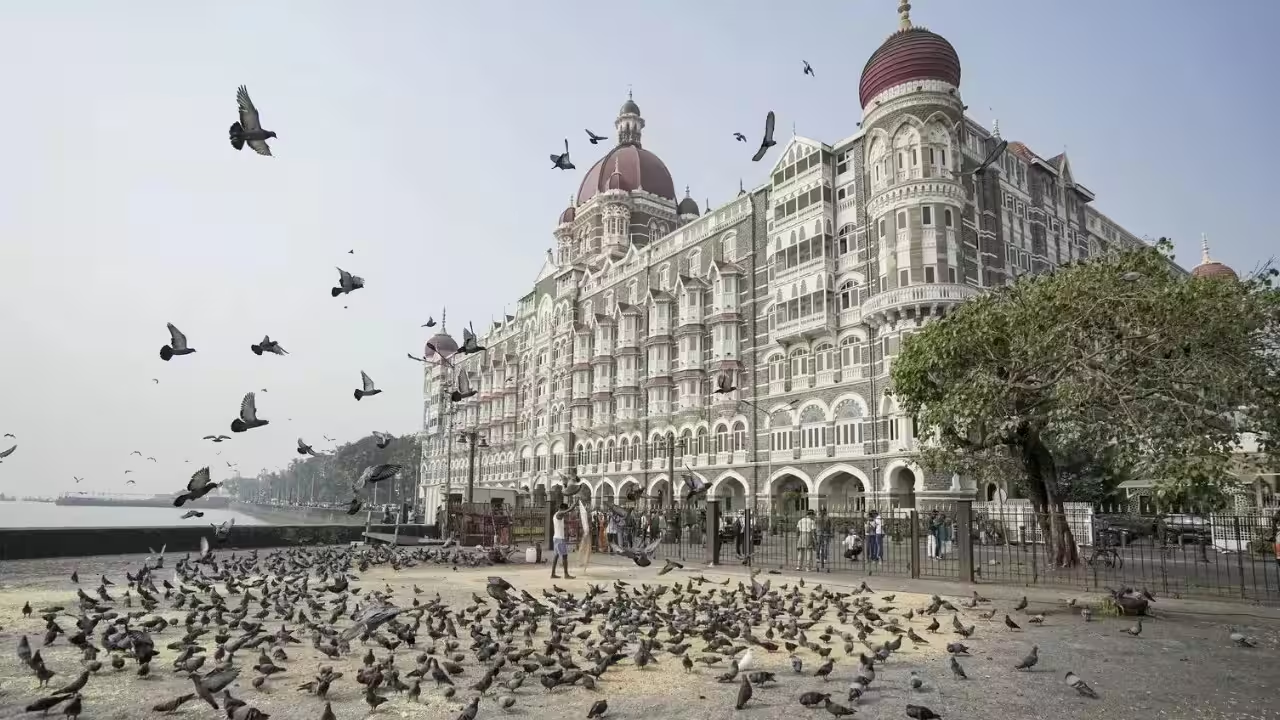
Mumbai Police are investigating a bomb threat received by the Taj Mahal Palace Hotel on Sunday

MUMBAI: A bomb threat call targeting Mumbai’s iconic Taj Mahal Palace Hotel triggered a security scare on Sunday, prompting police to launch a search operation and begin an investigation to trace the caller.According to police, Navi Mumbai Police received a call around 12 am claiming that the luxury hotel would be blown up.The information was immediately passed on to Mumbai Police, following which security personnel carried out a thorough inspection of the premises.Officials said the hotel was searched as a precautionary measure, while efforts are underway to identify the person behind the threat.Mumbai Police is now probing the origin of the call and examining all possible leads.The incident comes a day after a similar hoax bomb threat triggered a brief high-alert situation at Delhi’s Red Fort.The call, received by the Mumbai Police control room, was promptly shared with Delhi Police.Following the alert, police teams in the national capital conducted an extensive security check at the monument, but found no suspicious objects.Authorities are investigating the source of both calls and are working to trace those responsible.(With ANI inputs)

‘Occult rituals to help her conceive, forced pills’: Daughter-in-law accuses former MP Vinayak Raut, family of harassment; 5 booked | Mumbai News

'Occult rituals to help her conceive, forced pills': Daughter-in-law accuses former MP Vinayak Raut, family of harassment; 5 booked
UBT leader and former MP Vinayak Raut (File Photo)

THANE: UBT leader and former MP Vinayak Raut, his son Gitesh Raut, and five others have been booked by the Kapurbawdi Police based on a complaint filed by Raut’s daughter-in-law, Girija Raut, who on Sunday publicly reiterated her allegations and demanded action against the accused.Addressing a press conference along with advocate Sagar Kadam, Girija alleged that she was subjected to physical, mental and emotional harassment after her marriage to Gitesh Raut in December 2017. She claimed that the couple had no physical relationship since 2018 and alleged that several self-styled godmen were brought in to perform occult rituals in an attempt to help her conceive. She further alleged that she was administered unidentified pills and that rituals involving her hair, a live chicken, wires and a special drink were performed.Girija claimed that the prolonged mental harassment prevented her from speaking out earlier. She also alleged that she and her husband lived in a chawl while Vinayak Raut lived separately and visited only occasionally during Navratri. Rejecting any financial motive behind the complaint, she said she would have acted much earlier if money had been her intention.Advocate Sagar Kadam demanded the arrest of Vinayak Raut and the other accused, stating that the offences invoked under the Bharatiya Nyaya Sanhita and the Maharashtra Anti-Superstition Act are non-bailable. Police have already arrested one accused, identified as Firoz Baba, while further investigation is underway.

Rs 2.45 crore worth of Aciloc 150+, 300+ seized in Maharashtra; FDA orders recall | Mumbai News

Rs 2.45 crore worth of Aciloc 150+, 300+ seized in Maharashtra; FDA orders recall
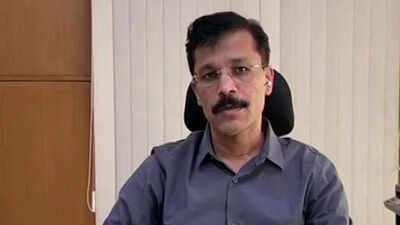
Maharashtra FDA seized Aciloc drugs valued at Rs 2.45 crore (in pic: FDA Commissioner Tukaram Mundhe)

MUMBAI: In a major crackdown under the “Safe Food, Safe Medicines, Safe Maharashtra” campaign, the Maharashtra Food and Drug Administration (FDA) has seized stocks of Aciloc 150+ and Aciloc 300+ worth around Rs 2.45 crore.Following the crackdown, the department has ordered a complete market recall of the brand over concerns related to deceptive labelling and branding, news agency ANI reported.The action was initiated after a routine inspection in Amravati revealed that Cadila Pharmaceuticals Ltd., Ahmedabad, had been licensed for several years to manufacture.The company was licensed to market Aciloc 150 and Aciloc 300 containing Ranitidine as their Active Pharmaceutical Ingredient (API).However, the company recently launched Aciloc 150+ and Aciloc 300+, replacing Ranitidine with Famotidine, a completely different active pharmaceutical ingredient.Despite this significant change, the company continued with almost identical branding and label artwork, making only the addition of a “+” (Plus) sign to the product name before introducing the medicines into the market, ANI reported.The probe also found that the older Ranitidine-based Aciloc products and the newer Famotidine-based Aciloc Plus products were being sold simultaneously.Such similarity in the brand names could cause confusion among doctors, pharmacists and patients, increasing the possibility of the wrong medicine being dispensed or consumed.Regulatory guidelines clearly state that when the active ingredient or composition of a branded medicine is changed, the modified product should not be marketed under the same or a deceptively similar brand name.Following this, the FDA conducted inspections at the company’s Carrying & Forwarding Agent (CFA) warehouses in Pune, Nagpur and Bhiwandi (Thane).On July 9 and 10, 2026, the entire available stock of Aciloc 150+ and Aciloc 300+, valued at Rs 2,45,37,490, was prohibited from sale and distribution.Giving top priority to public health and patient safety, the FDA initiated this preventive action, observing that deceptively similar brand names could result in patients receiving the wrong medication.The company has also been instructed to immediately recall from the market the stocks of Aciloc 150, Aciloc 150 Plus, Aciloc 300 and Aciloc 300 Plus.Commenting on the action, FDA commissioner Tukaram Mundhe said, “Any confusion caused by a medicine’s brand name among patients, doctors, or pharmacists, leading to the dispensing of the wrong medicine, is a matter of grave public health concern.”“Compliance with regulations governing drug branding, labelling, and marketing, while ensuring patient safety, must remain paramount. Safe medicines are a fundamental right of every citizen, and safeguarding that right is our highest responsibility,” he added.The administration has also issued an advisory asking citizens and medical professionals to verify both the brand name and the active pharmaceutical ingredient before prescribing, dispensing or consuming any medicine.The administration has further appealed to citizens to immediately inform the FDA if they face any confusion because of similar medicine names or come across any suspicious medicines.Further investigation is underway, and suitable legal action will be initiated under the Drugs and Cosmetics Act, 1940, and the rules framed thereunder based on the findings, officials said.(With agency inputs)


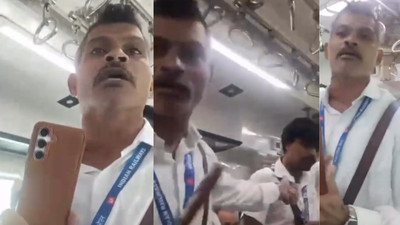
Watch: Passenger, TC clash over Marathi language on Mumbai local; Railway authorities order probe | Mumbai News

Watch: Passenger, TC clash over Marathi language on Mumbai local; Railway authorities order probe
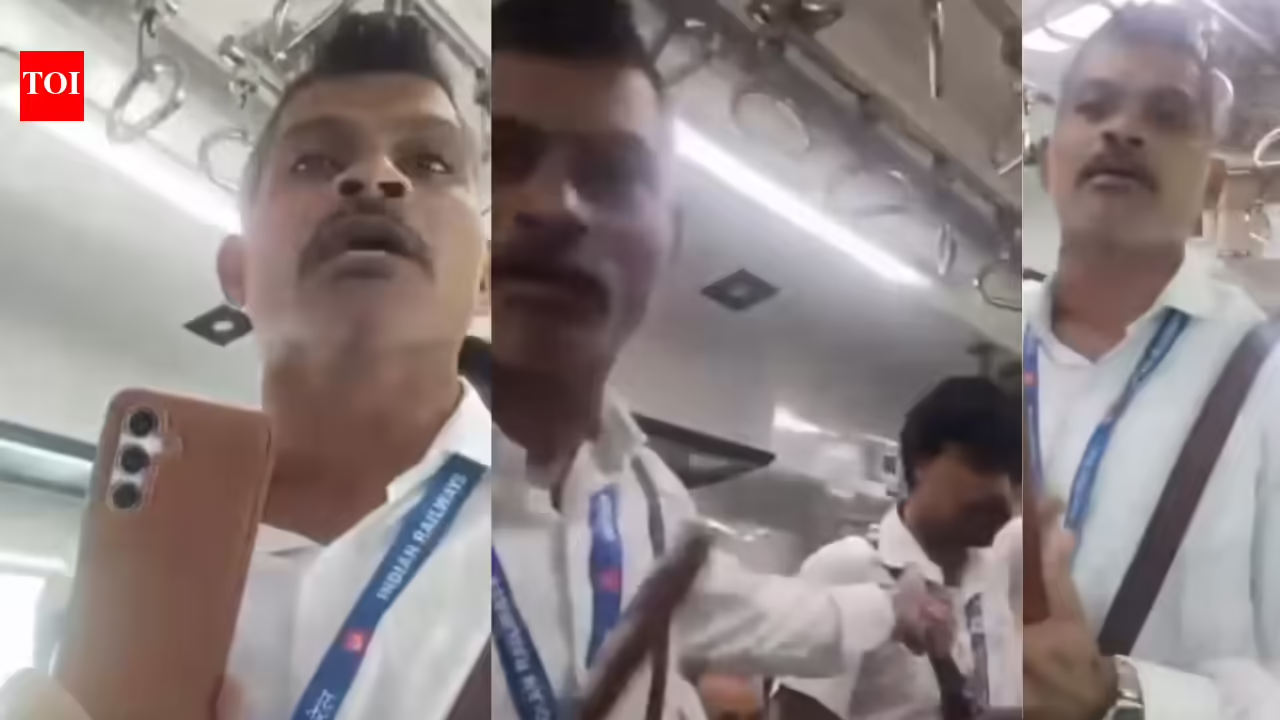
Railway authorities are investigating a viral video of an argument on a Mumbai local train. The dispute reportedly began after a passenger spoke in Marathi with railway staff.

MUMBAI: Railway authorities have initiated a preliminary inquiry after a video purportedly showing an argument between a Railway Ticket Checker (TC) and a passenger over speaking Marathi inside a Mumbai local train went viral on social media.The video, widely shared on X, appears to capture a heated exchange between the passenger and railway staff.While social media posts have claimed the dispute was triggered by the use of Marathi, railway authorities have not officially confirmed the sequence of events and said the matter is under investigation.In the purported video, the passenger is seen recording the interaction and alleging that a railway staff member refused to assist him after he spoke in Marathi.Shortly afterwards, a TC appears to intervene, reportedly saying, “I am a native Marathi speaker. Talk to me. Do not attack the staff.” Moments later, the TC also begins recording the incident on his mobile phone, further escalating the argument.In a statement, the Railways said both the passenger and the ticket checker had approached the Andheri Government Railway Police (GRP) seeking action following the incident.“We have come to know about the incident and we have also seen the video. As per our information, both the parties in the matter approached Andheri Government Railway Police seeking action. We are also investigating the video and the incident overall and we will take suitable action after the completion of the preliminary investigation,” the statement said.

Doctors use anti-cancer meds to shrink tumours in foetus | Mumbai News

Doctors use anti-cancer meds to shrink tumours in foetus
A Mumbai woman’s unborn baby received an anti-cancer drug to shrink heart tumours (AI-generated image used for representational purposes)

For 38-year-old Jogeshwari resident Sevanti (name changed), reaching the 24th week of pregnancy after three early miscarriages felt like a victory.Then came devastating news: her unborn baby had five growing tumours in the heart and nodules in the brain, leaving doctors uncertain if the foetus would survive.Determined to have the baby, she refused an amniocentesis test that would confirm the underlying genetic disorder and instead urged doctors at Wadia Hospital in Parel to focus on saving her child.Doctors put Sevanti on an oral anti-cancer drug called Everolimus for four weeks to “shrink” the tumours in the foetus.On June 18, Sevanti gave birth to a 2.5-kg boy who has already undergone two heart scans. “The tumours shrank before his birth itself and don’t seem to be growing after his birth,” said foetal cardiologist Dr Shreepal Jain.

We have come so far and will carry in happily: Mom<br>

We have come so far and will carry in happily: Mom

Docs: We expect boy’s tumours to continue regressing and disappear as he grows older

When Jogeshwari’s Sevanti (name changed) found out her unborn baby had five tumours in the heart and nodules in the brain, she said she told the doctors, “Knowing the cause wouldn’t have changed my mind about having the baby, so why waste time?”The hospital’s newly formed foetal medicine team suspected the foetus had tuberous sclerosis, a genetic disorder often associated with multiple rhabdomyomas (heart tumours) and brain nodules.The oral anti-cancer drug Everolimus given to her for four weeks to “shrink” the tumours worked, “and we prolonged her pregnancy till the 36th week before delivering the baby,” said obstetrician Dr Pooja Bandekar and foetal medicine specialist Dr Vandana Bansal, who were treating her since the 20th week of pregnancy.On June 18, Sevanti gave birth to a 2.5 kg boy. “The tumours shrank before his birth itself and don’t seem to be growing after his birth. We expect them to disappear as he grows older,” said foetal cardiologist Dr Shreepal Jain.Dr Jain said one of the tumours grew large enough to obstruct blood flow from the foetal heart. The team reviewed published reports on the use of Everolimus during pregnancy before deciding to administer it to the mother so it could cross the placenta and reach the foetus. (Everolimus is also given to neonates in whom the cardiac rhabdomyomas are detected after birth. )The treatment required close monitoring because Everolimus can significantly raise cholesterol levels. Sevanti underwent regular blood tests to monitor drug levels and cholesterol while weekly scans tracked the baby’s condition.Two post-birth echocardiograms showed the tumours shrank before delivery and have not grown since. “The tumours shrank before his birth and don’t seem to be growing after birth. We expect them to continue regressing as he grows older,” said Dr Jain.Wadia Hospital CEO Dr Minnie Bodhanwala said this is possibly Mumbai’s first reported case in which maternal treatment with Everolimus was successfully used to shrink foetal cardiac rhabdomyomas. “A similar case was previously reported from Hyderabad,” she said.Dr Bansal said multiple cardiac rhabdomyomas are strongly associated with tuberous sclerosis complex, a genetic disorder affecting the brain, skin, kidneys and other organs. Because the baby also has brain nodules, he could develop seizures later in life, but these can usually be managed with medication, said Dr Bandekar.Independent foetal medicine specialist Dr Chander Lulla, who was not involved in the treatment, said cardiac rhabdomyomas are rare and Everolimus has emerged as an effective option in selected cases.Sevanti is optimistic. “We have come so far and will carry on happily,” she said.

Man posing as Mumbai DCP promised to recover Rs 98 lakh | Mumbai News

Man posing as Mumbai DCP promised to recover Rs 98 lakh
Police said preliminary investigation indicates that many other citizens may also have been cheated in a similar manner

Mumbai: The city crime branch arrested a Jaipur businessman and an impostor who impersonated an IPS officer in a fresh case of cheating after a Gujarat businessman lodged a complaint alleging that the accused cheated him of Rs 16 lakh by posing as a Deputy Commissioner of Police (DCP) and promising to recover money allegedly owed to him from one builder.The crime branch last month arrested three persons, Mohammed Guas Khatib alias Raj Khatib, his son Mashab Khatib and Shahid Kapadia, red-handed from a three-star hotel while trying to cheat a person seeking a loan.Unit 1 of the crime branch on Friday arrested Rajasthan businessman Rajesh Bedsingh Choudhary, 46, and Mohammed Khatib, who was already in custody in connection with a similar cheating case.The fresh complaint was filed by Sikander Kothari, who runs an OTT platform, and alleged that he first met Rajesh Chaudhary and Naveen Sharma at Marine Drive in 2024. They allegedly introduced Khatib as a serving DCP in the Mumbai Police. Investigators said Khatib reinforced the deception by showing photographs of himself in a police uniform bearing stars and insignia and claimed he could recover the complainant’s investment from builder Kamal Sadhwani through his influence in the police force. Kothari alleged that he paid Rs 98 lakh to Jadhwani and booked a flat, but he neither got the flat nor his money back.Believing the claims, Kothari allegedly paid Rs 4 lakh in cash, handed over an Apple iPhone worth Rs 1.3 lakh, and later made several additional cash and online payments. The total amount allegedly cheated is Rs 15,90,532.Police said Khatib also claimed that money and expensive gifts were required to “please” police officers handling the matter. Despite repeated assurances, the promised work was never completed.During the investigation, crime branch officers recorded the statement of a retired police inspector who runs a tailoring shop. The witness allegedly stated that Khatib got a khaki police uniform stitched from his shop with provisions for police stars and insignia. Investigators seized the tailor’s receipt book and collected digital payment records, which allegedly show that payment for the uniform was made through the CRED account of Khatib’s son.Police said preliminary investigation indicates that many other citizens may also have been cheated similarly, and hence requested the victims to come forward and register a complaint.

Power bills rise four-fold after smart meters installed, say Kalyan-Dombivli residents | Mumbai News

Power bills rise four-fold after smart meters installed, say Kalyan-Dombivli residents
MSEDCLsays the spike in bills is linked to the exceptionally hot summer, which led to greater use of air-conditioners, coolers and refrigerators

Kalyan: Nationwide protests against smart electricity meters have reached the Kalyan-Dombivli belt, with many consumers alleging their monthly bills have increased three to five times despite no major change in household power consumption.While residents want an independent technical audit of the newly installed meters, the Maharashtra State Electricity Distribution Company Limited (MSEDCL) maintains the higher bills are due to increased summer consumption and the more accurate recording of smart meters.Residents of Runwal Gardens, Dombivli, claim their monthly bills have, on average, risen from Rs 2,000-2,500 to Rs 8,000-10,000. Ahmed Salman Imtiaz’s bill jumped from Rs 3,000 in Feb to Rs 14,000 in Apr. “We installed an AC in Apr, so we had expected a higher bill, but this was steep,” he said. The family consciously reduced AC usage thereafter, “yet my June bill was Rs 17,000”, Imtiaz said.Rajesh Warekar said his monthly bill, usually around Rs 800, shot up to Rs 9,910 after he rented out his house. “But my tenant insists his usage doesn’t warrant such an amount,” he said. Sanjeev Tripathi, who earlier paid around Rs 2,000 during summers, said, “In June, my bill was Rs 9,860. MSEDCL should reinstall the old meters.”Opposition to smart meters has been building in Mumbai since BEST began installing them in south Mumbai in 2024. During the recent assembly session, minister of state for energy Meghna Sakore-Bordikar, responding to queries over 11,000+ complaints from Pune, said it was incorrect to attribute higher bills to smart meters.However, even consumers with conventional meters in Kalyan-Dombivli have reported steep increases this summer. Dombivli resident Lakhi Shaw said his bill rose from Rs 2,000-2,500 to nearly Rs 7,000, while Kalyan resident Ashok Pawar’s bill rose to Rs 6,000-8,000.Opposition to the rollout is becoming intense, with installation teams allegedly assaulted in some localities. Political parties, including the ruling Shiv Sena in Kalyan-Dombivli, have staged demonstrations demanding the rollout be suspended until consumer concerns are addressed.The issue escalated last week when a consumer allegedly attempted to set himself on fire at the MSEDCL office in Vasai. The staff intervened in time. The consumer told TOI he received a bill of around Rs 14,000 after a smart meter was installed despite no change in household consumption.MSEDCL, however, remains firm that the spike is linked to the exceptionally hot summer, which led to greater use of air-conditioners, coolers and refrigerators. Officials also said many ageing electromechanical meters had slowed down over time and were under-recording consumption.“Smart meters record electricity consumption more accurately, including low levels of power usage that older meters often failed to capture. In several complaints investigated by us, defective internal wiring and electricity leakages inside consumers’ premises were contributing to higher consumption,” an MSEDCL official said.Kalyan division chief engineer C R Mishra cited departmental data to support the utility’s stand. “Our analysis shows that among 11.76 lakh consumers who continue to use conventional meters, electricity consumption in June increased by 28% compared with June 2025,” he said.Among 5.53 lakh consumers whose conventional meters were replaced with smart meters, consumption rose by 22%. “Similarly, 3.43 lakh consumers who already had smart meters before June 2025 recorded a 25% increase in electricity usage this June,” Mishra said. He added that if smart meters were over-recording, only that category would have shown abnormal increases. The analysis also found many middle-class households crossed the 300-unit monthly consumption threshold, pushing them into higher tariff slabs.While social activists blame privatisation for the push towards smart meters, MSEDCL says they provide transparent billing by recording actual consumption and allow users to monitor hourly, daily and monthly usage. These meters can help detect power theft, identify faults quickly and reduce transmission losses.(Additional reporting by Somit Sen)

Collector’s office not executing RERA’s refund orders: Bombay HC | Mumbai News

Collector’s office not executing RERA’s refund orders: Bombay HC
The HC had earlier in Feb observed that in general, builders were “exploiting loopholes’’ in law and frustrating orders of refund passed by MahaRERA

Mumbai: The Bombay high court on Friday observed that a pending case of refund under RERA over delay in a Chembur project “discloses an extremely sorry state of affairs with the collector’s office. The HC division bench of Justices AS Gadkari and Kamal Khata said decrees passed under the MahaRERA are not being executed scrupulously by the collectors’ office, though mandated under the law.On July 10, the HC issued notices to the collector of the Mumbai suburban district and a tehsildar to show why no action is attracted under the Contempt of Courts Act for failing to abide by its July 8 order and furnish details sought of a builder’s assets.The HC also appointed a court receiver over a flat in a Khar building to secure the interests of Sneha Tejwani in her plea for refund of Rs 1.5 crore with interest.The HC had earlier in Feb observed that in general, builders were “exploiting loopholes’’ in law and frustrating orders of refund passed by MahaRERA. The HC had even directed the state advocate general to assist the court in formulating measures to prevent those defeating the salutary provision of the Real Estate (Regulation and Development) Act (RERA), which entitles buyers to a refund with interest on withdrawing from delayed projects. The AG Milind Sathe had, among other points, suggested a 25% security of project cost at registration.In 2016, a 550 sq ft flat for Rs 1.65 crore was booked in a project undertaken by builder Niraj Kakad Construction on Sion-Trombay Road in Chembur, her counsel, Neeta Jain, with advocate Mahesh Kukreja, submitted. Tejwani paid Rs 1.5 crore, and possession was due in Aug 2017. But, for certain reasons, the work stopped. In 2019, through her father as her constituted attorney, she invoked her rights under RERA to withdraw from the project. She sought a refund with interest. In 2020, the MahaRERA directed the builder to give her the refund with 10.4 % interest. The builder unsuccessfully challenged the order up to the HC in 2022, but with the recovery process still pending with the suburban collector, Tejwani’s lawyers said she was restrained from petitioning the HC in 2024 for directions.The HC had sought disclosure of assets from the builder. But on July 8, the HC said the builder “attempted to take the court for a ride’’ as he did not disclose all entities where he had financial stakes. The HC thus, on July 8, directed the collector to personally verify and inform on July 10 how many legal entities the builder has interests in. On July 10, initially there was no reply, and in the second half, after the govt pleader sought time, a tehsildar filed a reply which the HC said “undermined’’ the court’s authority. Besides, it lacked the details sought.The buyer’s lawyer said a flat in Khar (west) belongs to the builder and may be attached. The builder’s counsel, Karl Shroff, said there was no agreement on that flat as yet. The HC, in its order, saying, “be that as it may,’’ to secure the refund amount, directed the HC receiver to take physical possession of the Khar flat by July 13. The court posted the matter to July 17 on govt pleader Anjali Helekar’s request.